
Last updated November 21, 2026
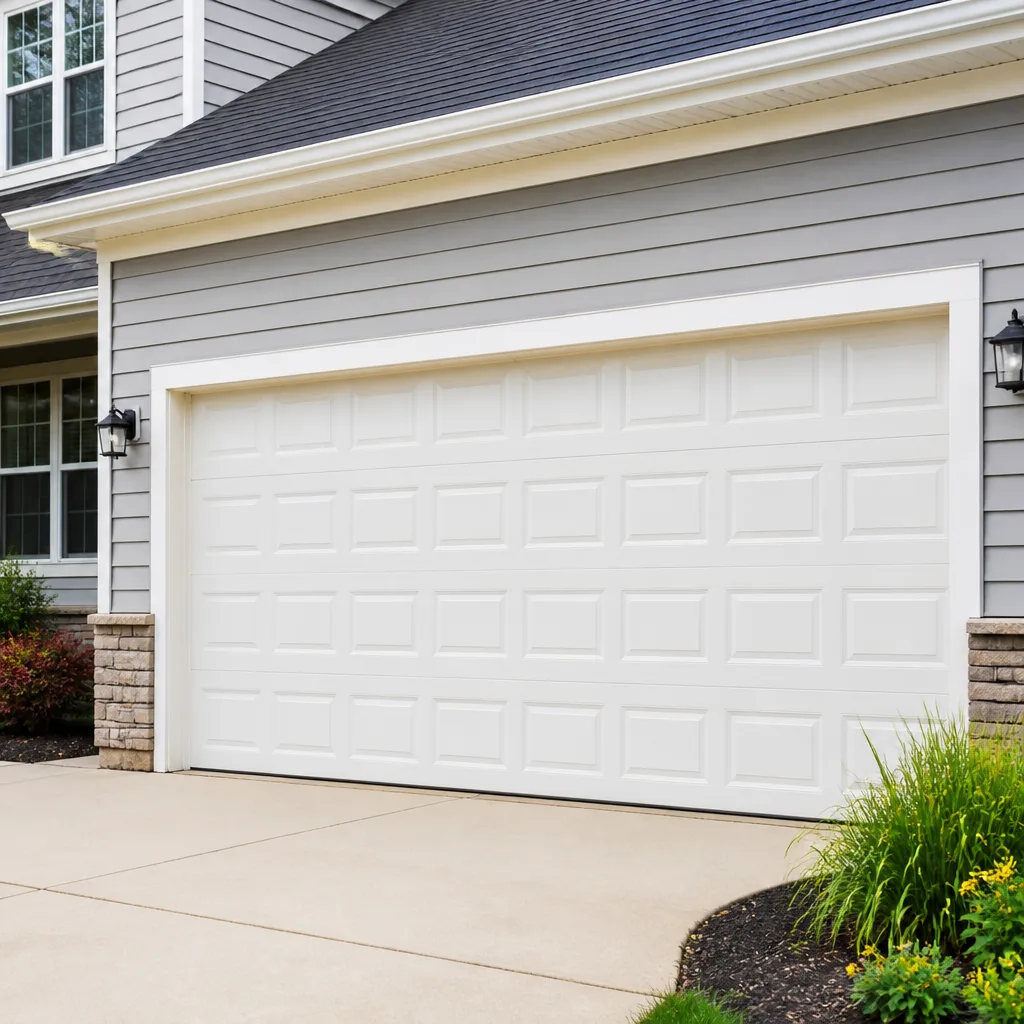 Raised-panel steel
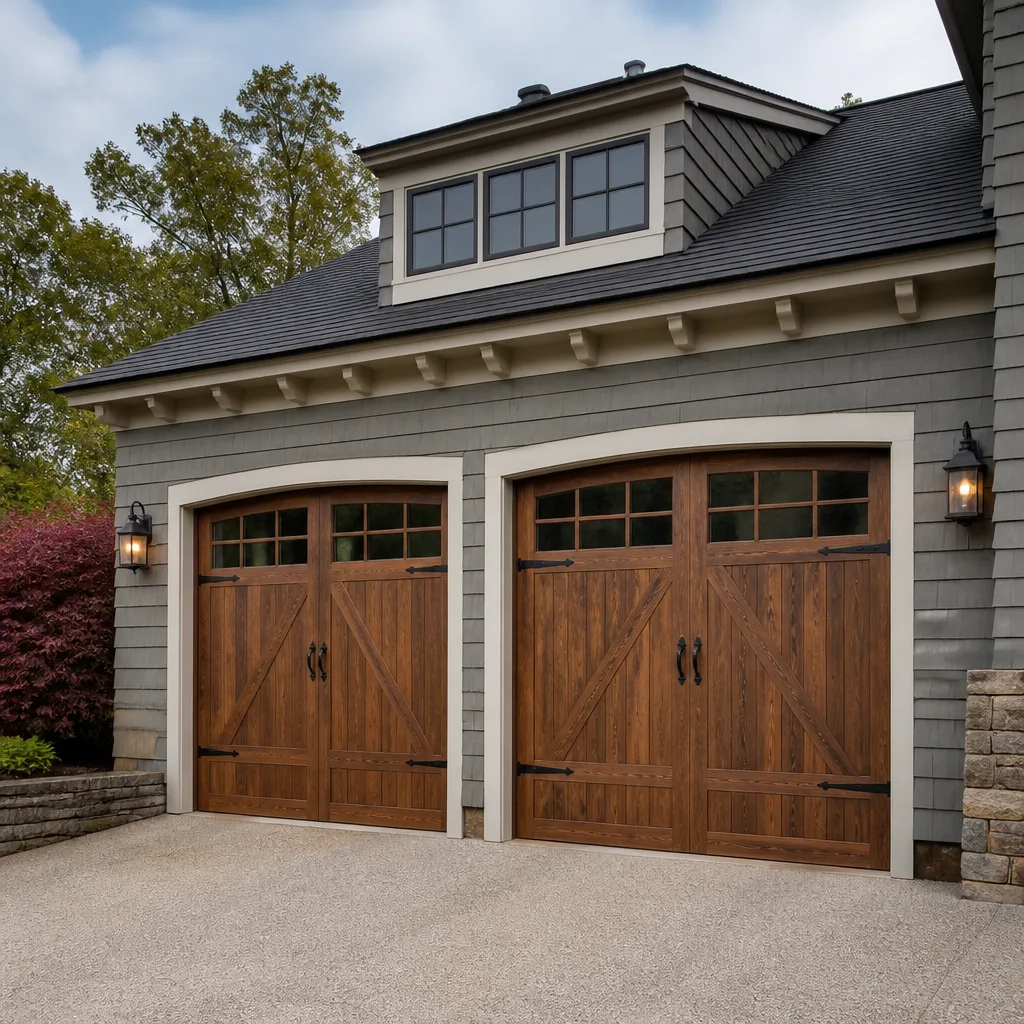 Carriage house
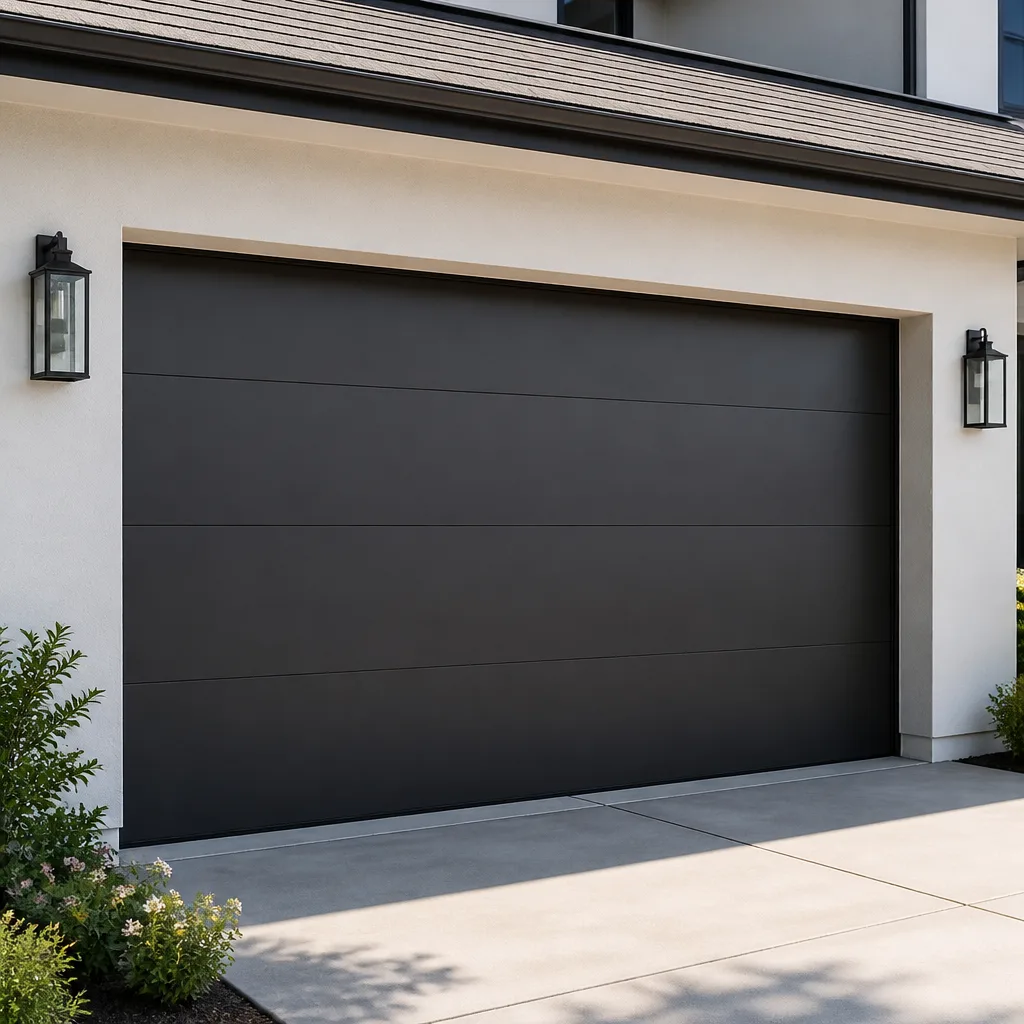 Modern flush
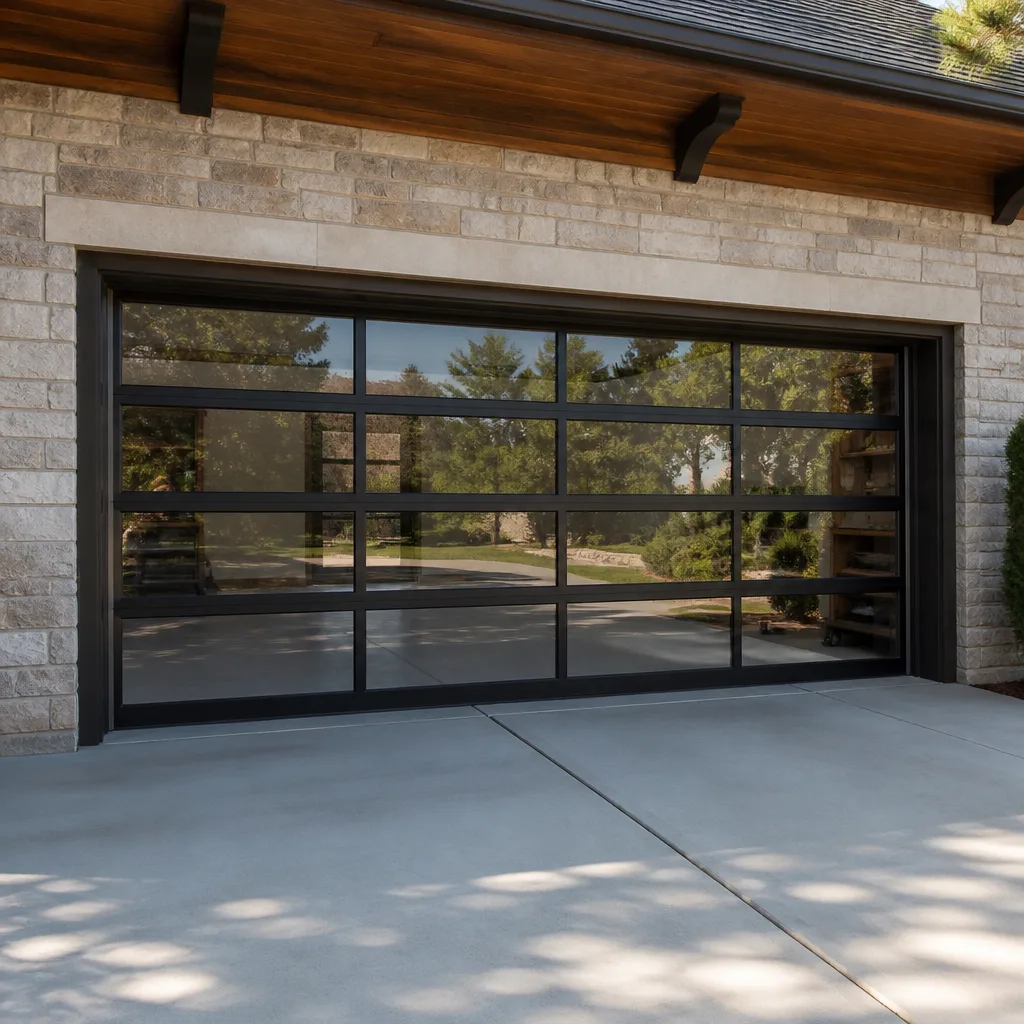 Full-view glass
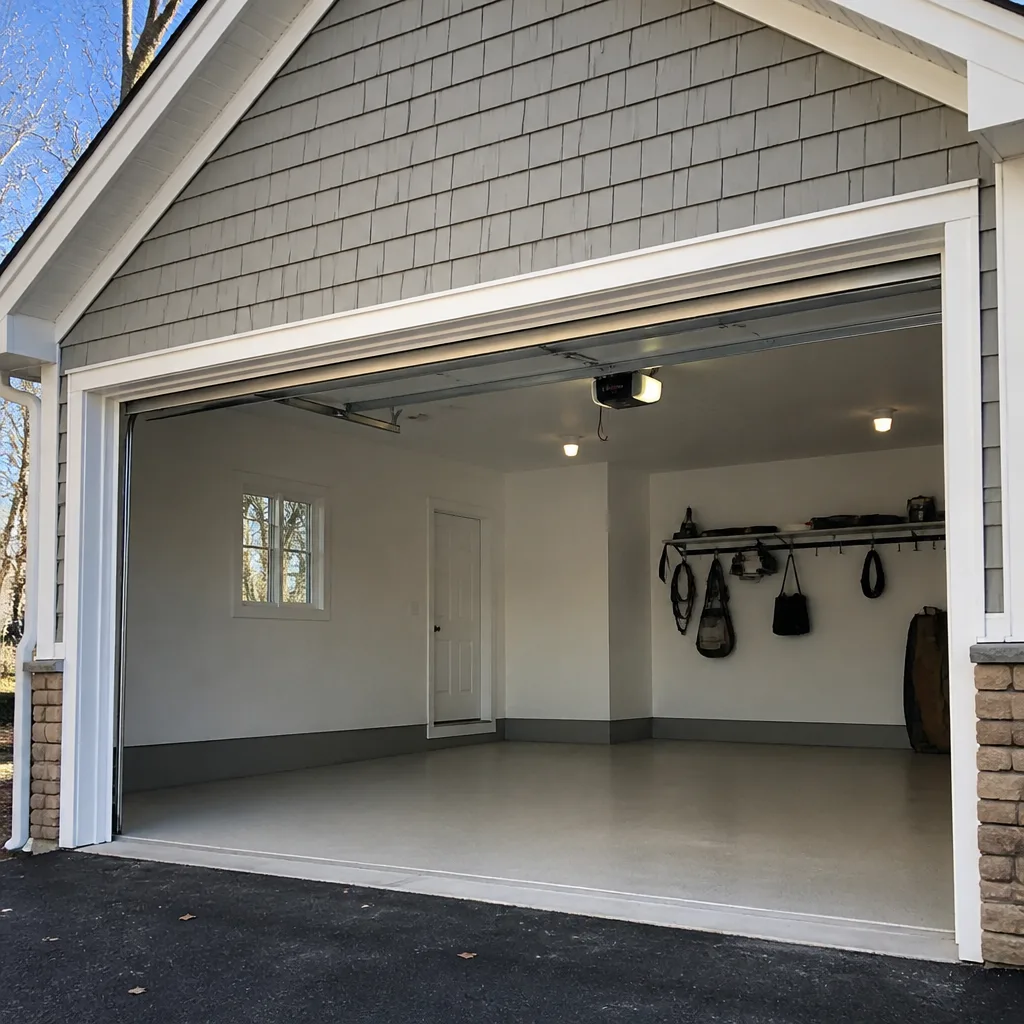 LiftMaster openers
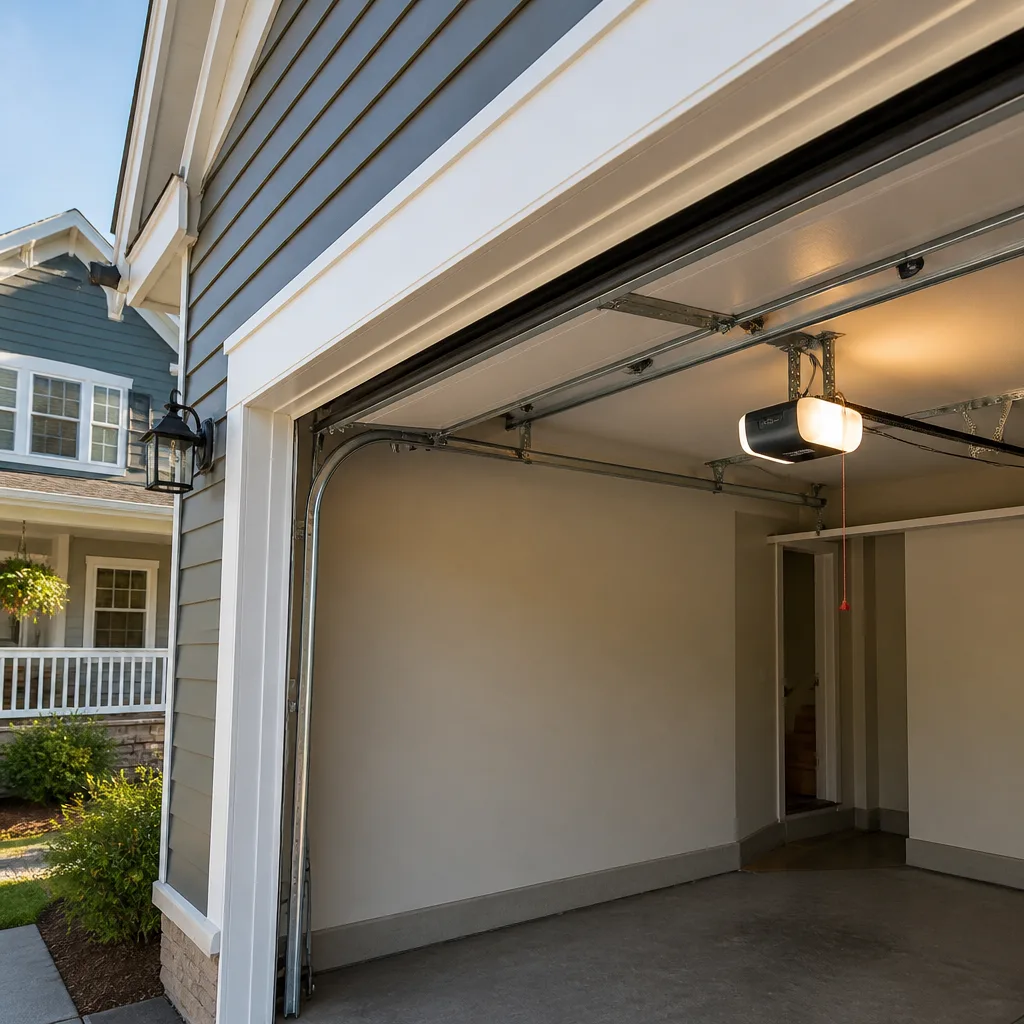 Chamberlain openers
Full 25-point door and opener safety check with every visit - springs, cables, rollers, tracks, and your LiftMaster or Chamberlain opener included
You get a price before we start. It does not change when the pro arrives.
Get your free estimateGarage Door Warning Signs: A Norfolk Homeowner’s Reference Guide
A garage door that hesitates for one second before it moves isn’t “stiff from the cold.” That pause is your opener’s force sensor doing extra work to overcome friction somewhere in the system. Left alone, that same friction will snap a lift cable or strip a drive gear within weeks. The tricky part is that garage doors rarely fail without warning. They telegraph the failure 60 to 90 days ahead through sound, motion, and visible wear. The problem is that most Norfolk homeowners read those signals as normal operation or minor annoyances, because nobody ever told them which symptom maps to which failing part. This guide decodes the noise, movement, and visual patterns so you can tell a worn roller from a spring on its last cycle.
Quick Answer
The most reliable garage door warning signs are a door that hesitates or jerks before moving, grinding or popping sounds during travel, uneven travel or drift on descent, frayed or kinked cables, a torsion spring that has changed color or shows rust streaks on its shaft, flat-spotted rollers, and an opener whose wall button or remote responds inconsistently. Any one of these means a component is wearing and should be inspected by a trained technician before it fails outright. Catching them early is the difference between a small repair and a door that won’t open at all.
Styles & brands we work with
- Raised-panel steel
- Carriage house
- Modern flush
- Full-view glass
- LiftMaster openers
- Chamberlain openers
Table of Contents
- What Do the Noises Coming From Your Garage Door Actually Mean?
- How Movement and Travel Patterns Reveal the Failing Part
- Visual Warning Signs Most Homeowners Walk Past
- Opener Behavior Flags That Point to a Coming Failure
- Why High-Tension Springs Demand a Trained Specialist
- Corrosion Warning Signs to Watch For Before a Spring Fails
- How Norfolk Humidity and Temperature Swings Stress Your Door
- Brand-Specific Signals in Clopay, Amarr, Wayne Dalton, and Craftman Systems
What Do the Noises Coming From Your Garage Door Actually Mean?
Sound is the single most precise diagnostic tool a garage door gives you, but only if you map each noise to its source. Here’s how we break it down, with no overlap between categories, so you can locate the problem yourself before you call.
- Grinding, a low metal-on-metal rumble during travel: Almost always the rollers or the hinges. Sealed bearings in the rollers dry out and the roller starts skidding instead of rolling. On a Clopay or Amarr door with older nylon rollers, this grinding typically shows up before the roller fully seizes.
- Popping or a sharp bang when the door first starts to move: This points to the torsion spring or the cable drum. A spring under load that pops is either binding or on the edge of breaking. Treat popping as urgent, not cosmetic.
- Squealing or a high-pitched whine: Usually a dry hinge or roller axle, or the opener’s trolley and rail assembly needing lubrication. Squealing is the least dangerous of the four but the easiest to silence with a proper lube of the right parts.
- Rattling or a loose metallic chatter: Loose bolts, a sagging bottom bracket, or worn hinge leaves. If the rattle intensifies on descent, suspect the track and the hinge connection points rather than the opener.
What separates these is direction and timing. A grind that happens the whole travel is a roller or hinge issue. A pop that happens only at the start or at full open is a spring or drum issue. If a sound changes pitch as the door goes up versus down, that’s your cue that the torsion system is under unequal load. In Norfolk, where garage doors sit in a hot, humid garage for a good part of the year, dried-out rollers and hinges are the most common source of that grinding, and they’re also the cheapest to fix before the problem spreads.
How Movement and Travel Patterns Reveal the Failing Part
Movement tells you what sound can’t. Watch the door for a full open-and-close cycle and you’ll notice small behaviors that mean specific things. This is where most homeowners misread the symptom.
- A one-second hesitation before moving: The opener’s force sensor is compensating for extra resistance. The resistance is friction, and friction means a component is fighting the system. Left alone, that added load snaps cables and strips drive gears.
- Jerking on descent: A door that drops in fits rather than a smooth glide usually has a bent track, a worn roller, or a torsion spring that’s lost tension. Check whether the jerk happens at the same track point every time. Same spot means track. Anywhere means spring or opener force setting.
- Uneven travel (one side lags): The two sides of the door are no longer balanced. This almost always points to a torsion spring or a cable that has stretched or slipped a drum. A door traveling unevenly is a door loading one cable harder than the other, and that’s how cables break.
- Drift or sag when fully open: If the door won’t hold itself open, the spring tension is off. On extension-spring systems this can mean a stretched spring; on torsion it can mean a slipped set screw or a failing spring.
One thing worth knowing: a door that reverses on its own just before touching the floor is a safety-sensor or force-setting problem, not a mechanical one. Don’t confuse it with drift. In our experience across Norfolk, hesitation and jerking are the two behaviors people dismiss longest, and they’re the two that most reliably precede a cable snap.
Visual Warning Signs Most Homeowners Walk Past
You can catch a failing garage door without hearing or feeling a thing, if you know where to look. These are the signals most homeowners walk right past. A quick visual check twice a year catches most of them.
- Cable fraying: Look at the cables running down each side. A healthy cable is smooth and even. A failing cable has broken strands sticking out like tiny wire whiskers, kinks, or thinning at the drum. Fraying is the last warning before a snap.
- Roller flat spots: Rollers should be round and turn freely. A worn roller develops a flat spot that thumps with every revolution. Shine a light along the roller track and spin each roller by hand if you can safely reach it; flat spots are obvious.
- Spring surface color changes: A healthy torsion spring is a consistent color. A spring that’s been overstressed or is heading toward failure can show discoloration, dark patches, or a stretched-out coil spacing. Any visible change in the spring is your cue to stop operating the door and have it inspected.
- Track wear and misalignment: Gaps between track sections, dents, or track that has pulled away from the jamb. A bent track forces the door to fight its own path.
- Loose hinges and brackets: Wiggle each hinge leaf. Loose fasteners suggest the door is under more vibration than it should be, which often traces back to a balance problem.
In Norfolk, rollers and hinges take the visible wear first because the door cycles in high humidity that works against the lubricant. Clopay and Amarr doors hold up well, but their nylon rollers still dry out over time. If you only do one visual check a year, make it the cables and the spring surface, because those are the two that fail dangerously.
Opener Behavior Flags That Point to a Coming Failure
Your opener is a diagnostic computer if you listen to it. It tells you when the door it’s pushing has gotten heavier, and it tells you when the electronics inside it are aging. Here’s what each opener behavior means.
- Wall button lag: If the wall-mounted button takes a beat longer than it used to, the control board or the wiring connection is degrading. That lag often shows up weeks before the opener stops responding entirely.
- Remote inconsistency: A remote that works sometimes and not others usually points to a battery, a radio-frequency interference issue, or a failing logic board. It’s rarely the remote itself. On LiftMaster and Chamberlain systems, the safety-reversal sensor wiring is a common culprit behind intermittent remote behavior.
- Extended motor run time: When the opener runs noticeably longer to lift the same door, it’s compensating for a heavier door. That extra weight is a friction or balance problem in the door, not the opener. The opener is telling you the door needs attention before the opener itself gets damaged.
- Straining or labored sound at the start of travel: The opener is working harder than it should. This is the same force-sensor story from above, seen from the opener side.
Here’s a rule of thumb: if the door is manually hard to lift, the problem is the door and the opener is doing its best. If the door lifts easily by hand but the opener struggles, the problem is in the opener. Whether your opener is a LiftMaster or a Genie, or an older Craftsman unit, that simple test tells you which system needs the repair. Our own technicians have up to 14 years of experience sorting exactly this kind of symptom from cause.
Why High-Tension Springs Demand a Trained Specialist
A torsion or extension spring holds the entire weight of the door under enormous tension. When one breaks, it releases that stored energy instantly. High-tension springs are the most dangerous part of your garage door system, and this is work for a trained specialist, not a DIY workaround. We mean that as a safety statement, not a sales one.
The warning signs of a spring on its way out are specific:
- A newly stretched-out coil gap on a torsion spring.
- Discoloration or dark bands on the spring surface.
- Popping or banging at the start of travel.
- A door that won’t hold itself open.
- A door that suddenly feels much heavier than usual.
If you see any of these, stop operating the door and call for a professional inspection. Do not attempt to adjust the spring, unbolt anything, or “help” the door along by hand. Spring repair is a hands-off job for the homeowner, and it’s the highest-risk procedure in the trade. A trained technician knows how to release the tension safely, match the replacement spring to the door’s weight, and balance the whole system, which is what actually prevents the next failure. This is the repair we structure our whole garage door repair capability around, because it’s the one that most often causes injury when mishandled.
Corrosion Warning Signs to Watch For Before a Spring Fails
Rust on a garage door system rarely shows up all at once. It develops in stages, and each stage is a signal you can read before anything breaks. Norfolk humidity accelerates this compared with a dry climate, though the sequence is the same anywhere.
- Stage one, surface haze: A light orange-brown film on the torsion shaft or the spring coils. It wipes off. At this stage the oxide is cosmetic and the part is fine.
- Stage two, pitting on the shaft: Small dark freckles that don’t wipe away. The metal under the paint is starting to go. This is when you should be cleaning, lubricating, and watching rather than waiting.
- Stage three, run-off staining on the spring: Rust streaks running from the coils or the drum. This tells you moisture is sitting in the system and the spring is coiling over a rougher surface, which adds friction and shortens its life.
- Stage four, scale on the cables and drum: Flaking or heavy scale on the cable drum and the springs themselves. At this point the spring is overstressed more often than not, and the corrosion is structural, not cosmetic.
What to look for on a torsion spring shaft specifically: a shaft that shows a consistent smooth finish is healthy; a shaft with visible pitting or streak patterns is telling you the door has been sitting in trapped moisture. In Norfolk, a garage that faces the afternoon sun and stays closed all day is the classic setup for stage-two corrosion on the shaft. A quick wipe-down and a proper lube goes a long way toward delaying it. If you’re already at stage three or four, get an inspection, because the spring may be much closer to failure than the door’s behavior suggests.
How Norfolk Humidity and Temperature Swings Stress Your Door
Garage door systems expand, contract, and change friction through the year, and Norfolk’s humid summers and cool winters work on every part. Here’s what to expect season to season.
- Summer humidity: Grease thins and roller bearings lose their film. Grinding becomes more common in August not because the door is failing faster but because the lubricant is doing less. Re-lubricating before the heat sets in prevents most of it.
- Temperature swings: Metal tracks and springs expand and contract, which can shift the alignment slightly. A door that’s harder to operate on a hot afternoon than a cool morning is showing you thermal expansion, not a broken part. Persistent difficulty, though, means something else.
- Cooler months: Seasonal temperature changes can make tracking slightly tighter, and older springs sometimes fail when the metal contracts. If a spring is going to break, it often breaks on a cold snap. That’s why catching the earlier signs matters.
- Year-round humidity cycles: The repeated wet-dry cycle is what drives the corrosion stages above. Watch the spring shaft and the cable drums especially.
Seasonal maintenance is the cheapest form of garage door repair there is. A lift check, a visual inspection of cables and springs, and fresh lubrication twice a year prevent most of the wear failures. If you’d rather not think about the schedule, a professional inspection at the change of seasons covers it, and it costs far less than an emergency call when the door won’t open. Local humidity is the reason this matters more in Norfolk than in a dry climate.
Brand-Specific Signals in Clopay, Amarr, Wayne Dalton, and Craftsman Systems
The warning signs look the same across brands, but the parts and how they wear vary. We service eight of the industry’s most widely installed brands, so we can tell you what’s normal for your door and what’s not.
- Clopay: Clopay’s nylon rollers wear into the flat spot pattern we described above. Check roller smoothness on older Clopay doors, and watch for the plastic hinges developing hairline cracks before the door gets noisy.
- Amarr: Amarr doors tend to be well-balanced, so a door that suddenly hesitates on an Amarr system points more strongly to a torsion spring or cable issue than to the door itself. Check the spring first.
- Wayne Dalton: Older Wayne Dalton systems often use a different torsion configuration than the more common double-spring setups. If your door has one long spring or a torque tube, listen for pop sounds from the shaft and watch the drum for cable wrap slipping.
- Craftsman openers and doors: Craftsman openers, like most, will throw a force-sensor flag through a one-second hesitation. If your Craftsman opener remote is inconsistent, check the safety sensor wiring before assuming the board has failed.
Whether you have a Clopay door under a LiftMaster opener or a Wayne Dalton door under a Genie, the diagnosis path is the same: read the symptom, match it to the part, then test the door’s balance by hand. If you’re ready for a proper diagnosis, our garage door opener repair work covers all the major platforms. If the door itself needs to be replaced instead of repaired, our garage door installation work uses recognized name brands and gets the door and opener matched to each other.
Common Mistakes to Avoid
- Treating a hesitation as a temperature problem. The one-second pause before a door moves is a friction signal, not a cold-weather quirk. Waiting for warmer weather is how a cable snap happens.
- Ignoring a spring with any visible change. A spring that has changed color, stretched out, or started popping should stop the door from being operated. Spring failures are the most dangerous and the most costly when ignored.
- Lubricating a torsion spring or the track with the wrong product. Grease attracts dirt and clogs the moving parts. Use a proper garage door lubricant on hinges, rollers, and the torsion shaft, not WD-40 on the spring itself.
- Assuming the opener is at fault because it “strained.” An opener that runs longer than usual is usually fighting a heavy door, not failing on its own. Fix the door, and the opener returns to normal.
- Lifting the door by hand and calling it “fine” during a visual check. A door that lifts easily by hand but poorly with the opener points to the opener; a door that’s hard by hand is a balanced-system problem. Diagnose which one you have before guessing at a repair.
- Skipping the visual cable check because the door “looks fine.” Cable fraying is caught by eye, not by sound. A twice-a-year look at both cables catches the snap most homeowners miss.
- Calling a general handyman for a spring or cable repair. Spring and cable work is the high-risk end of garage door service. It needs a specialist who handles that exact procedure, not a generalist squeezing it into a broader list.
See the difference
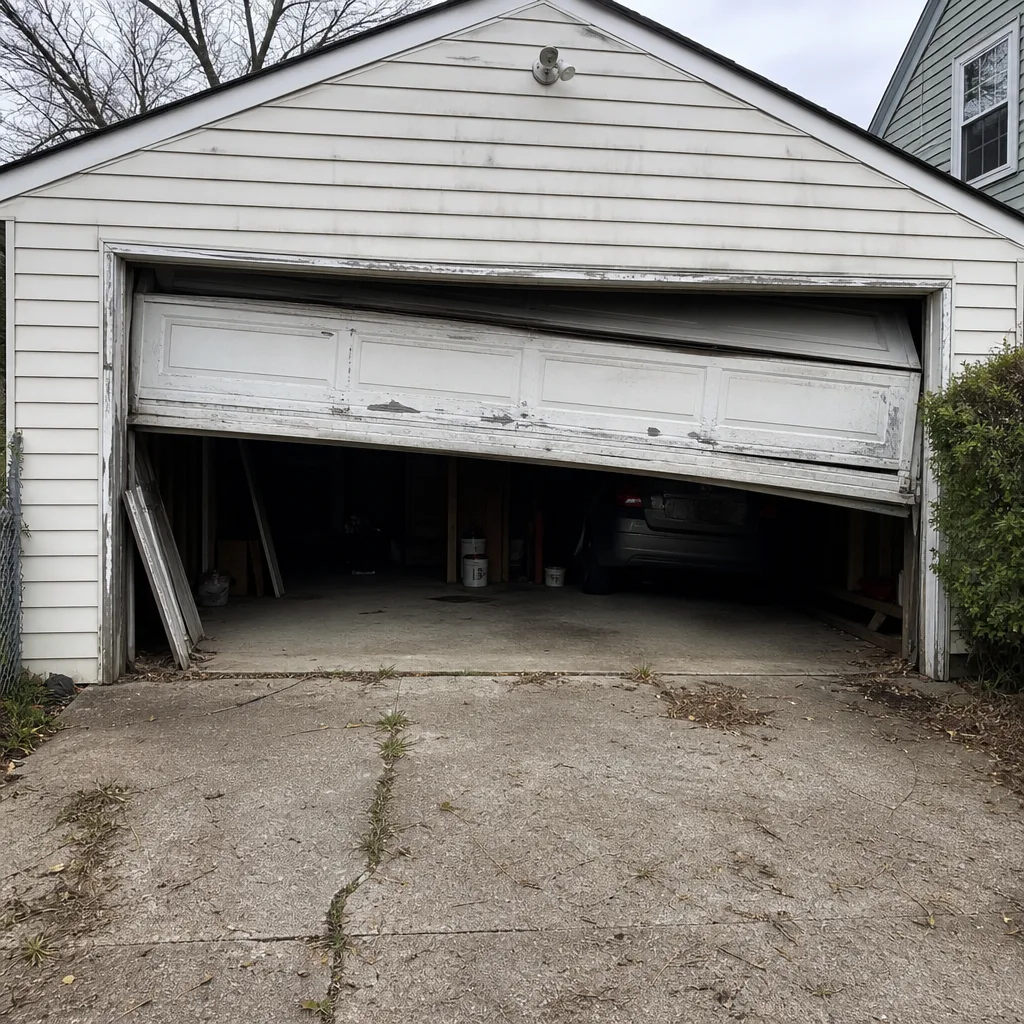 Before
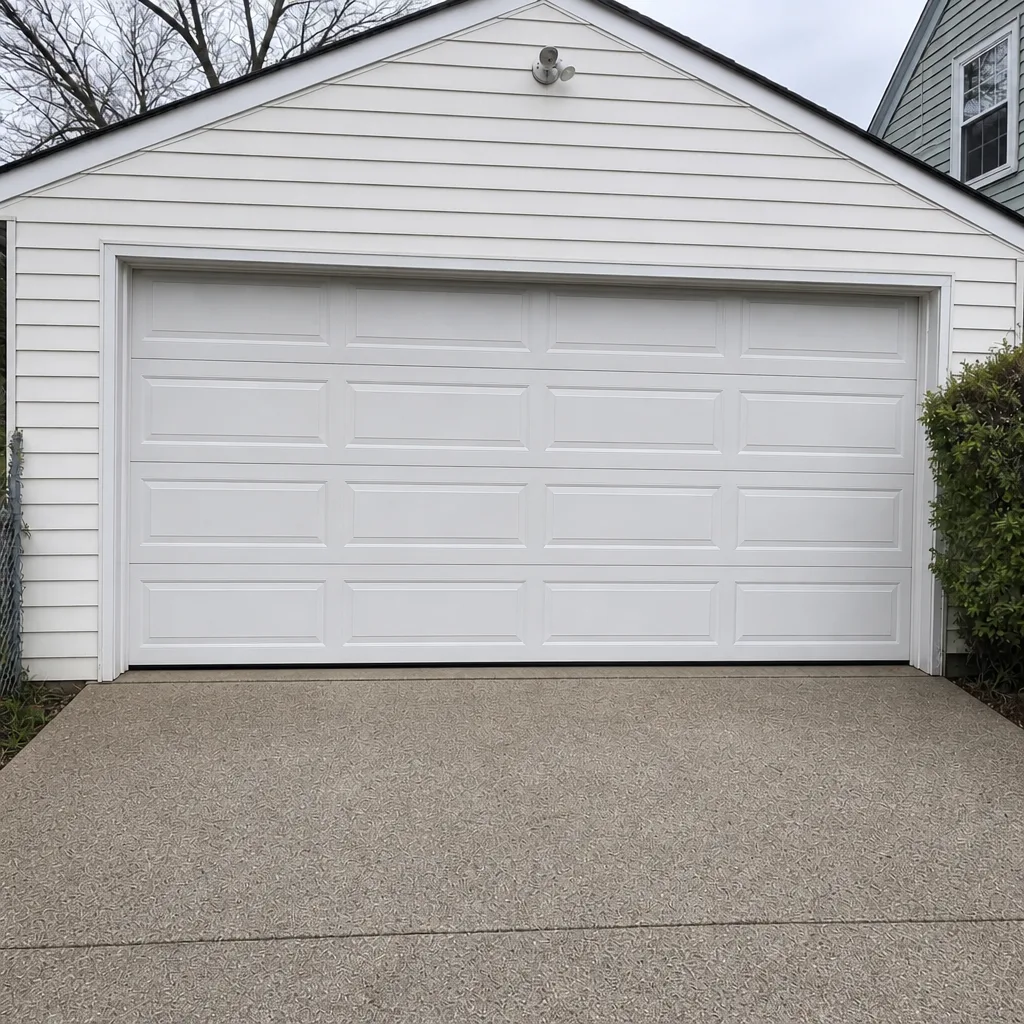 After
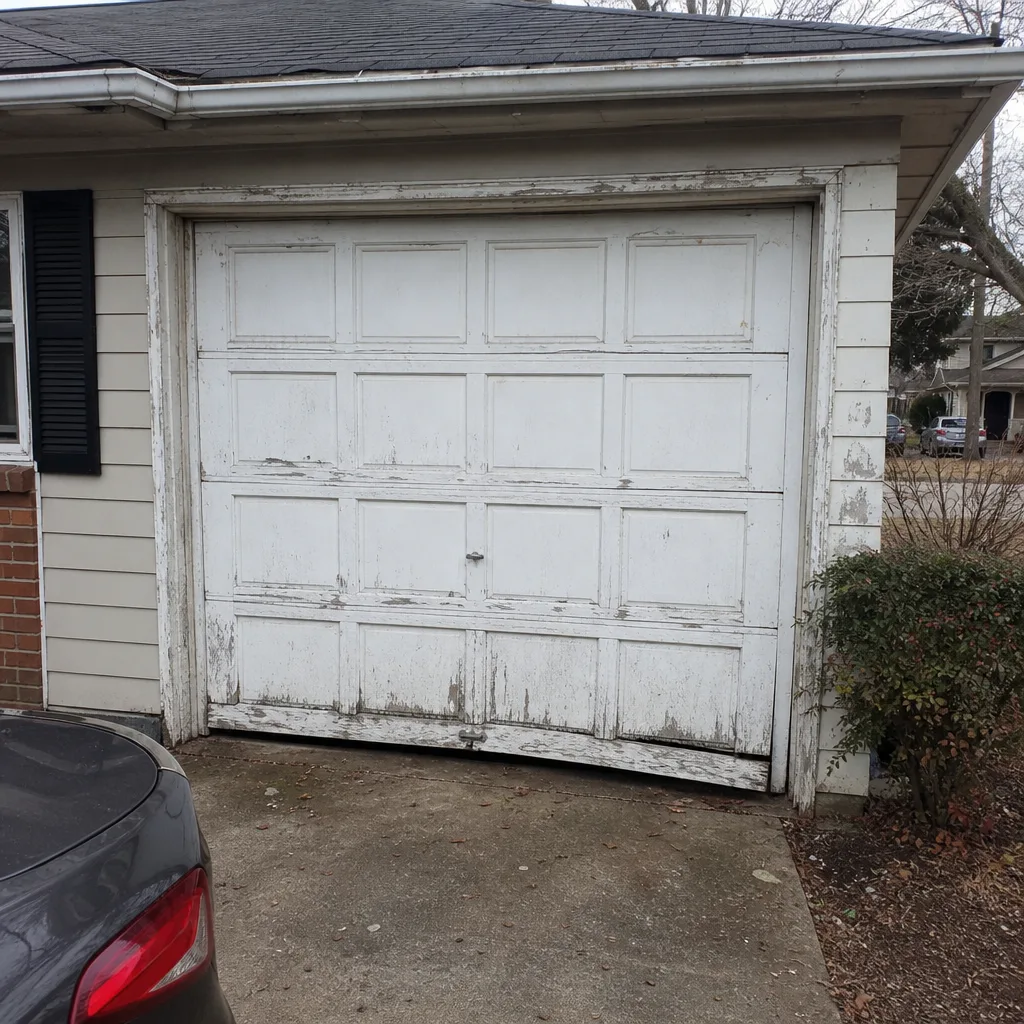 Before
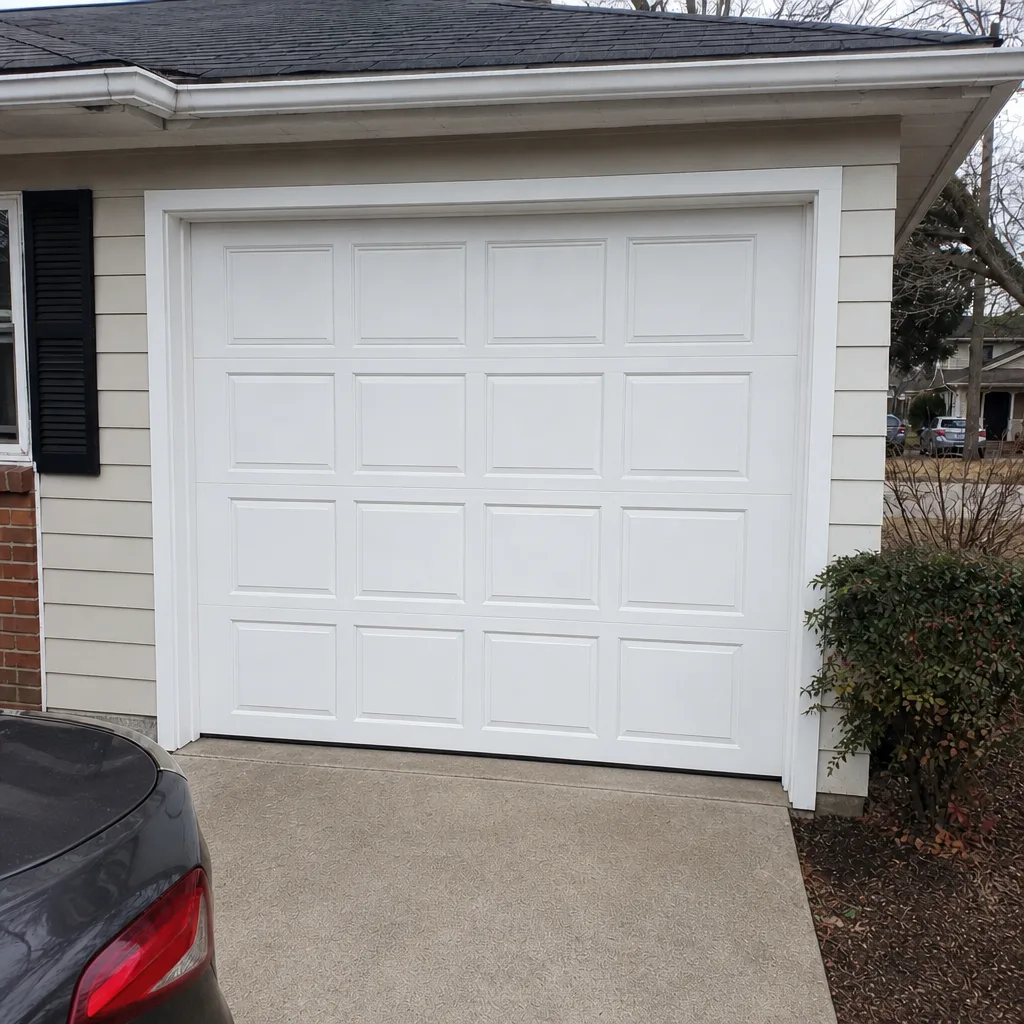 After
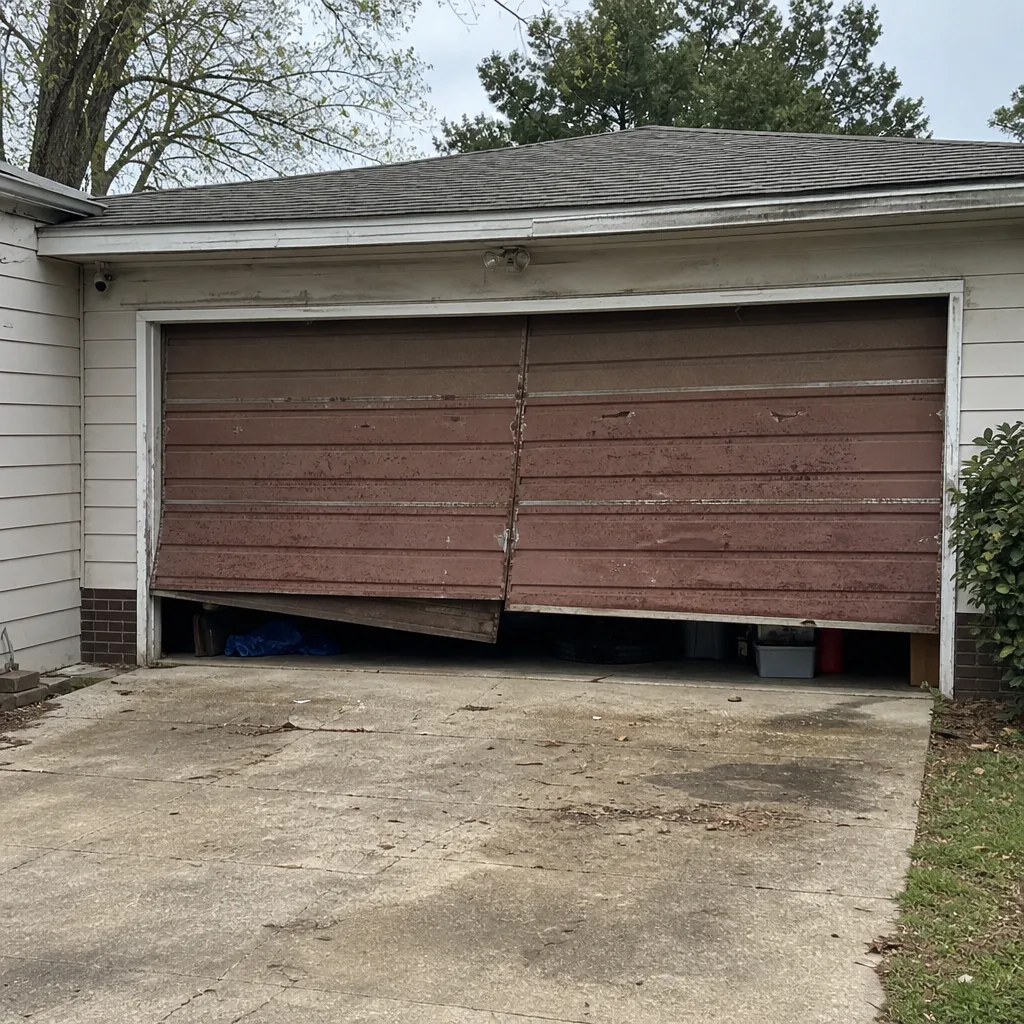 Before
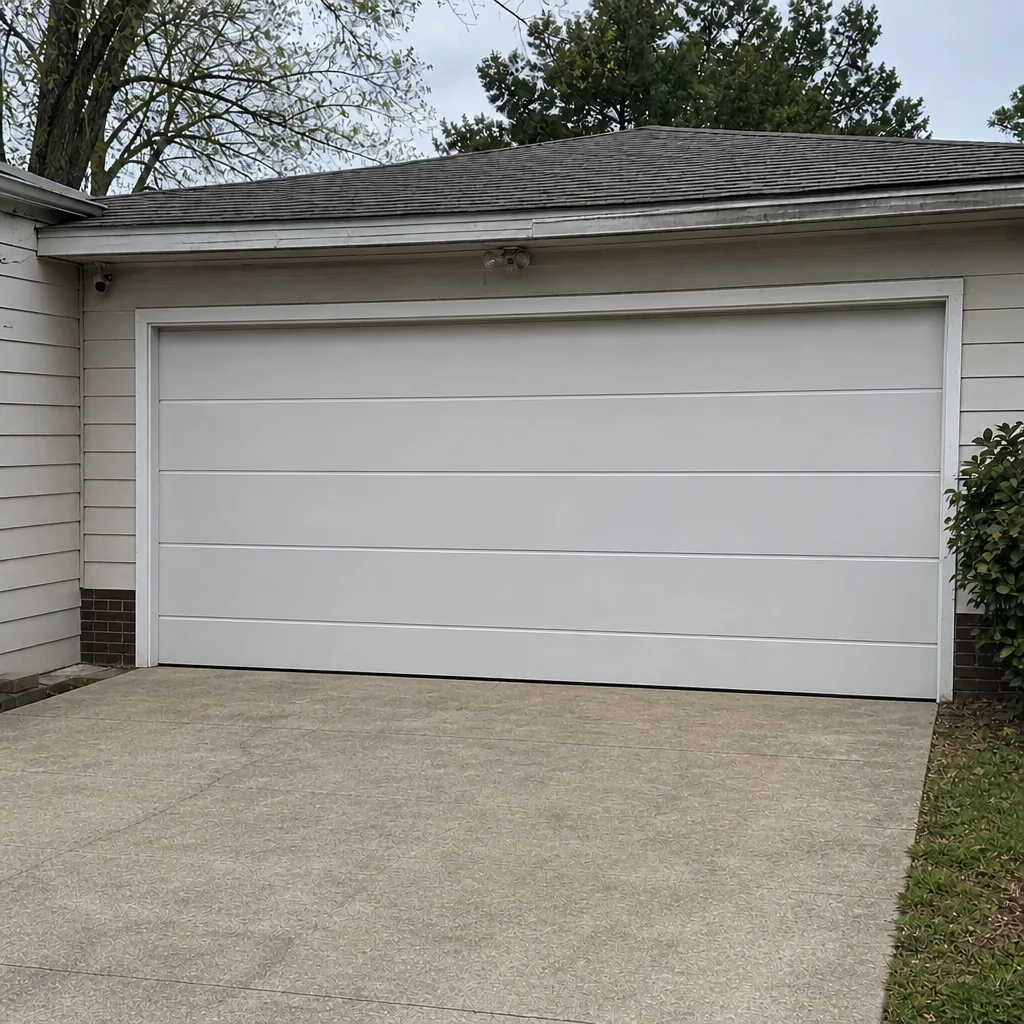 After
When to Call a Professional
Call a professional when the door hesitates, jerks, or travels unevenly; when you hear popping, banging, or grinding that changes with each cycle; when a spring has changed color or the door won’t hold itself open; when a cable is frayed or kinked; or when the opener’s wall button or remote has become inconsistent. These are all signs of a component that’s wearing and needs inspection before it fails outright. This is where we come in: Norfolk Garage Door Repair Experts offers free estimates in Norfolk. Call (844) 443-3797 and we’ll diagnose the exact problem, quote the repair, and get the door working again. We answer 24/7. Fast dispatch from 7am to 7pm, Sunday through Friday. Our technicians have up to 14 years of experience with every symptom in this guide.
Frequently Asked Questions
The first warning sign is usually a one-second hesitation or a jerking motion before the door moves, because the opener’s force sensor is compensating for friction building up somewhere in the system. That friction is your earliest cue and the cheapest problem to fix. If you notice it, have the door inspected; call (844) 443-3797 for a free estimate.
No. High-tension torsion and extension springs hold the full weight of the door and release that energy instantly when they fail, which makes this the most dangerous repair on the door. This is work for a trained specialist who can release the tension safely and balance the new spring to the door’s weight. Call (844) 443-3797 for a professional spring inspection.
Grinding during travel almost always means the rollers or hinges have lost their lubrication and are skidding rather than rolling. In Norfolk’s humid garages this is the most common symptom we see, and it’s usually resolved by replacing the worn rollers and re-lubricating the moving parts. Call (844) 443-3797 and we’ll quote the fix, free.
Look closely at both cables. A failing cable has broken strands sticking out, kinks, or thinning at the drum. A healthy cable is smooth and even. If you see any fraying, stop operating the door and call for inspection. Call (844) 443-3797 for a free estimate on a cable repair.
Your opener runs longer when the door has gotten heavier, which means it’s fighting friction or a balance problem in the door itself. The opener is doing the work; the door is the problem. Call (844) 443-3797 and we’ll test the balance and identify the failing part.
Yes. Norfolk humidity thins lubricant, accelerates corrosion on the spring shaft and cable drums, and makes rollers dry out faster, so the warning signs appear sooner than in dry climates. A twice-a-year visual check and lubrication catches most wear before it becomes a repair. Call (844) 443-3797 for an inspection.
The Bottom Line
Garage door failures almost always announce themselves 60 to 90 days ahead. The hesitation, the grinding, the jerking descent, the color change on the spring, the fraying on a cable, the lag on the wall button: each maps to a specific part and a specific repair. Read them early and you fix a small problem on your schedule. Ignore them and you’re often facing a broken door and an emergency call. Springs and cables are the two signals that demand immediate attention, because they’re the most dangerous when they fail. Everything else in this guide is a maintenance prompt. If you spot any of these signs on your Norfolk door, don’t wait for the failure.
Call (844) 443-3797 for a free estimate. We answer 24/7. Fast dispatch from 7am to 7pm, Sunday through Friday. Whether it’s repair, a new door, or an opener upgrade, our technicians have up to 14 years of experience and we work on the brands you already own.
Written by the team at Norfolk Garage Door Repair Experts.