
Last updated November 21, 2026
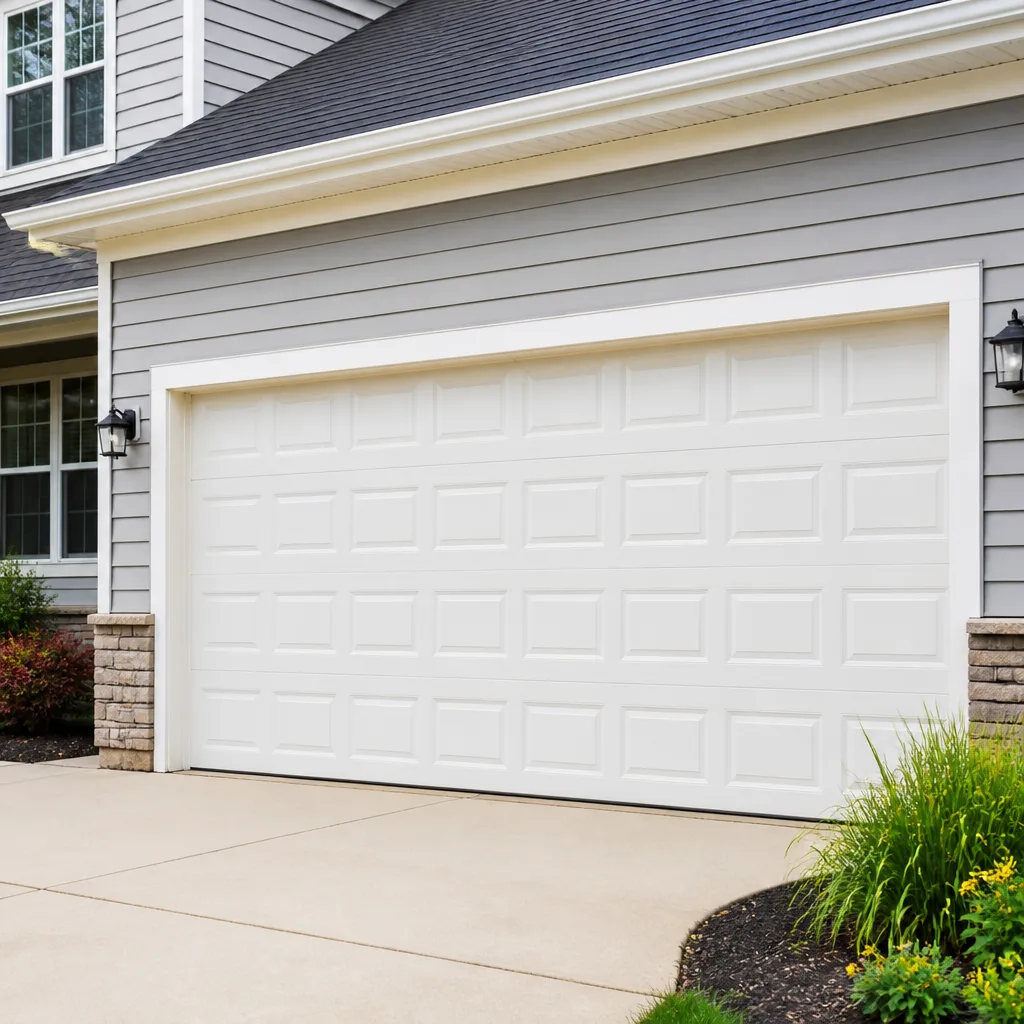 Raised-panel steel
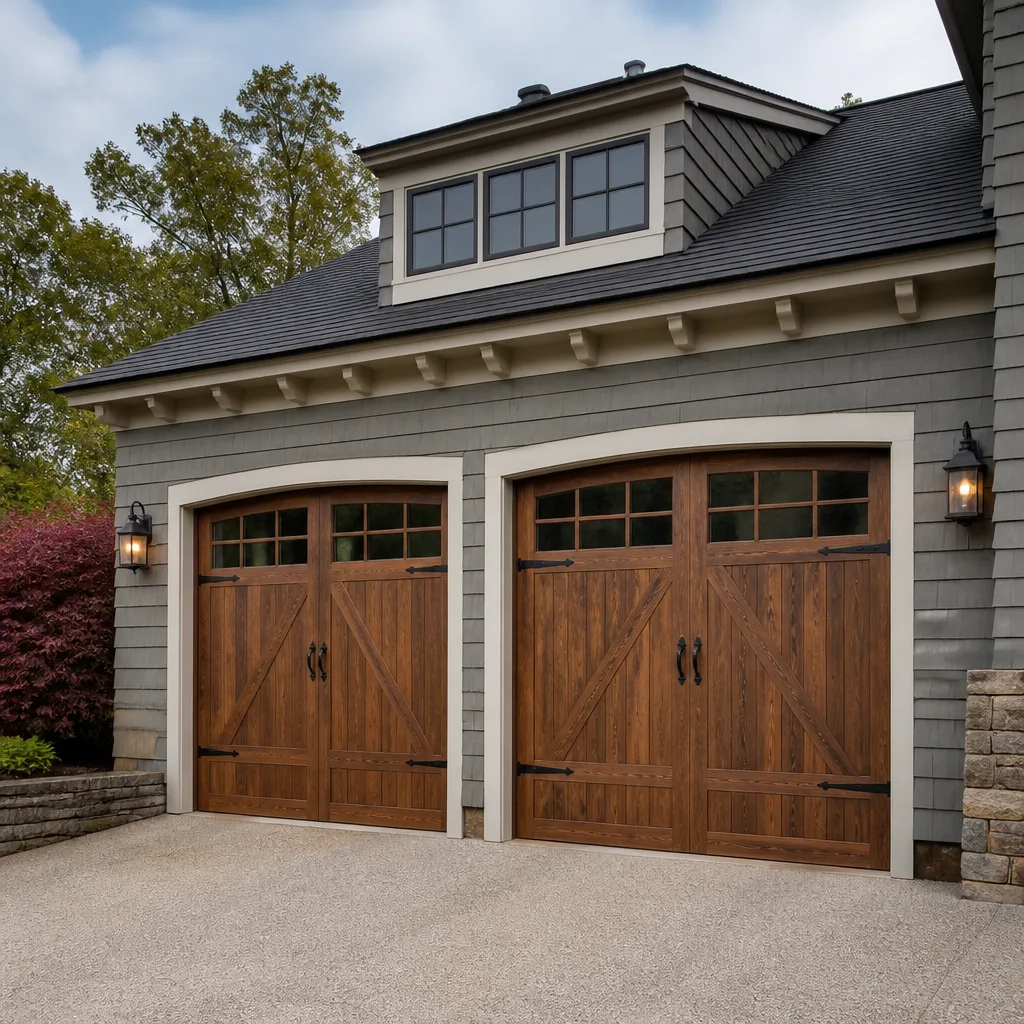 Carriage house
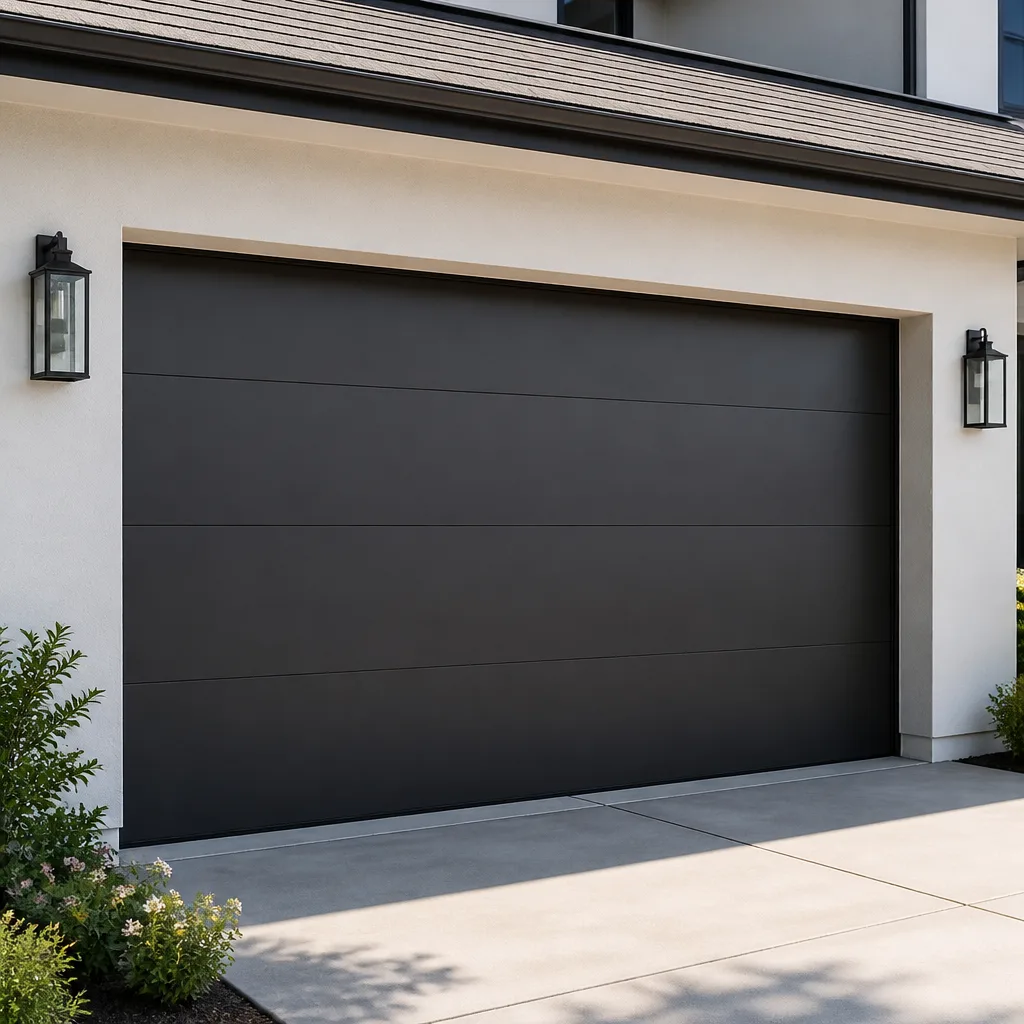 Modern flush
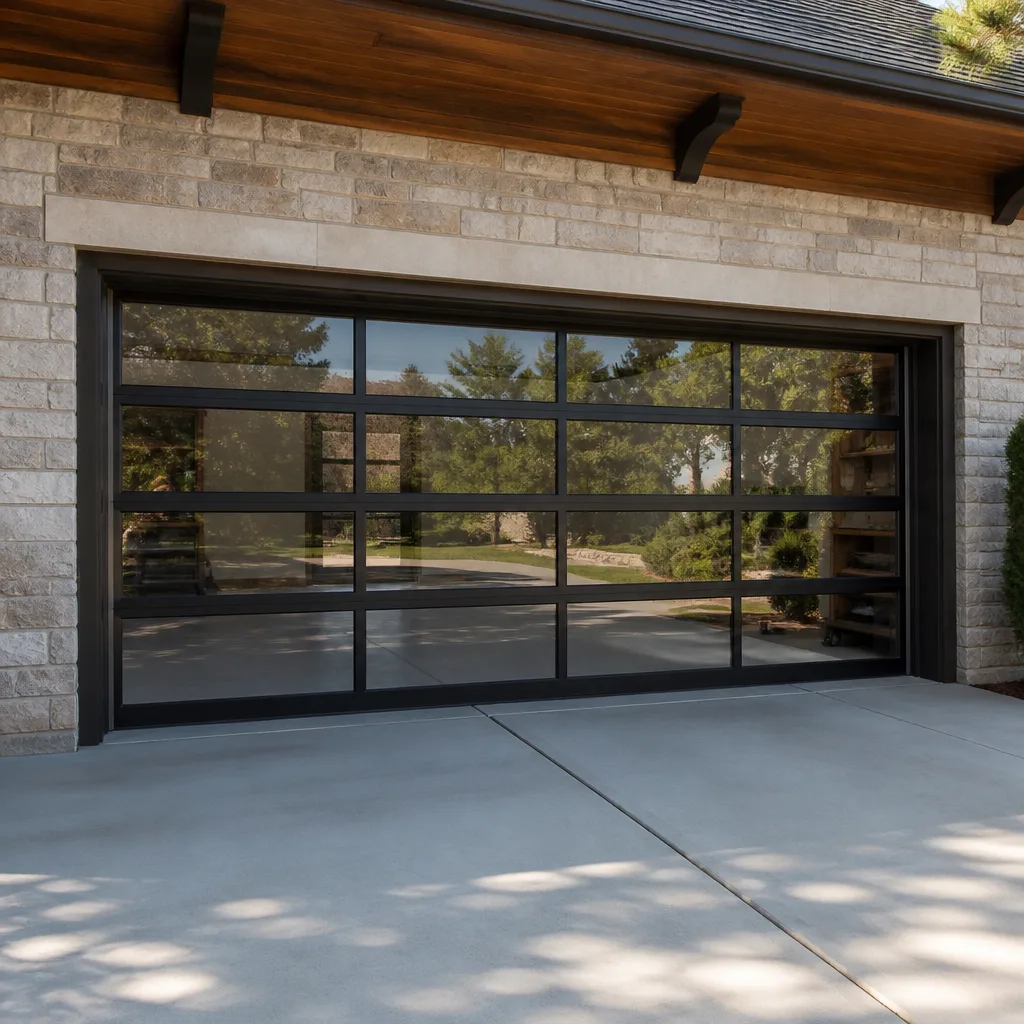 Full-view glass
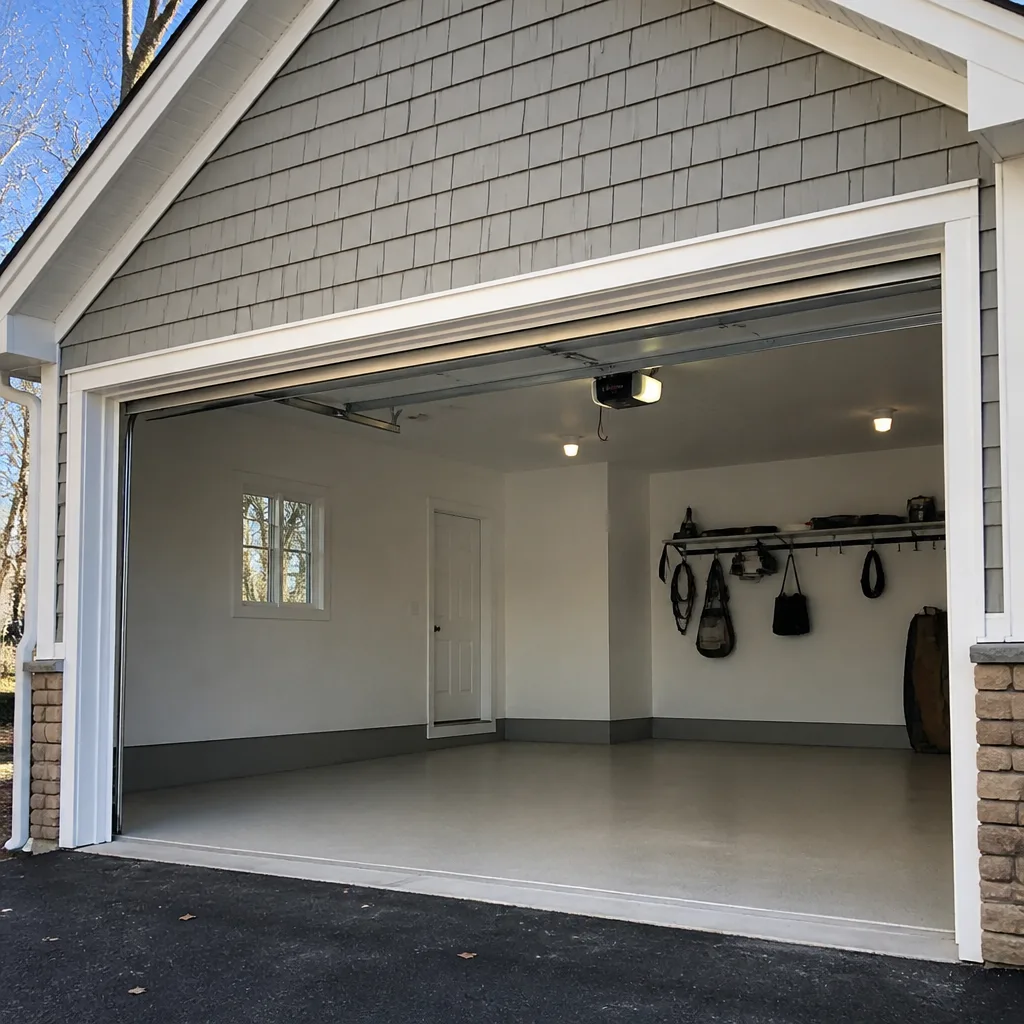 LiftMaster openers
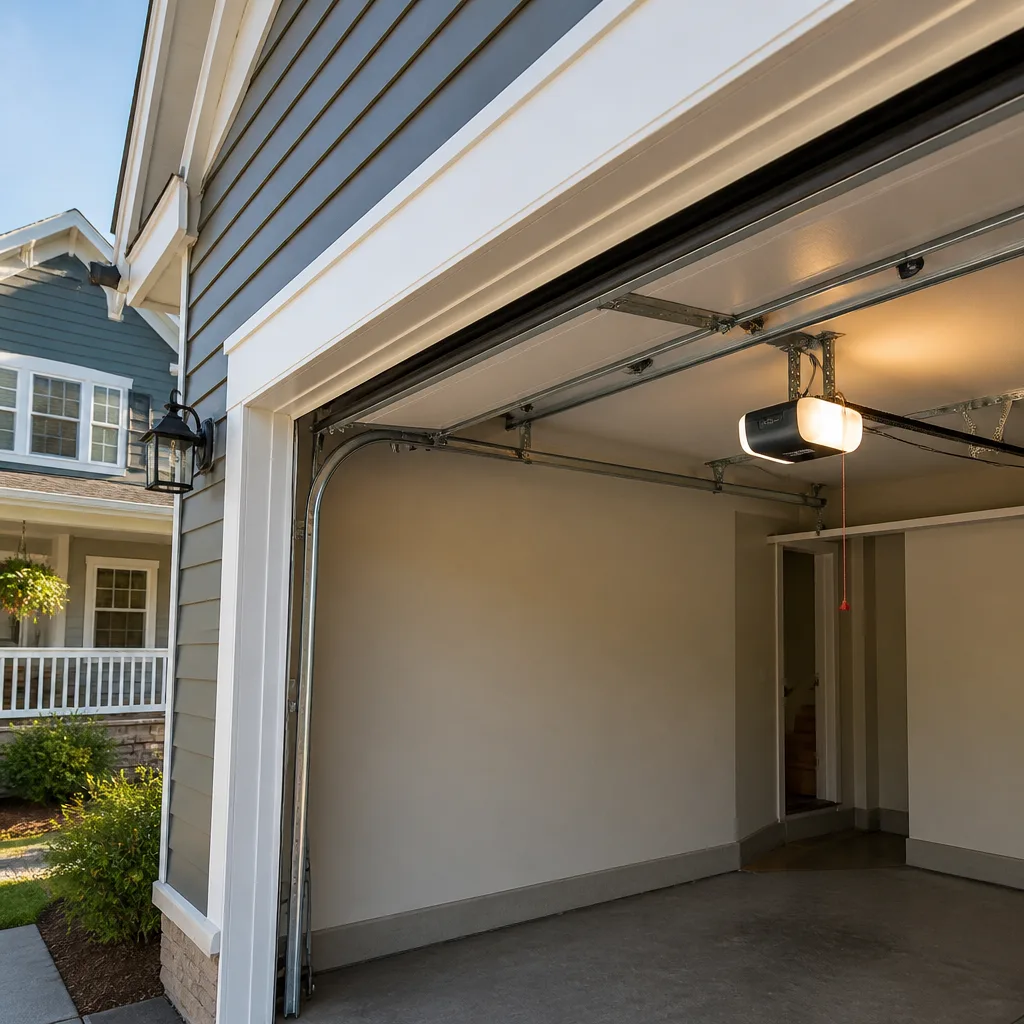 Chamberlain openers
Full 25-point door and opener safety check with every visit - springs, cables, rollers, tracks, and your LiftMaster or Chamberlain opener included
You get a price before we start. It does not change when the pro arrives.
Get your free estimateThe Complete Guide to Garage Doors in Norfolk
Most garage door failures in Norfolk start long before the door stops moving. They start at the hardware: a torsion spring that’s been working against humid summer air, a track that’s picked up surface rust, a steel door whose wind rating was never checked against the coastal zone it sits in. A garage door isn’t just an opening for the car. It’s the largest moving object on the house, the heaviest single component, and a working one is a working seal against weather and unauthorized entry. This guide walks through what actually matters for a Norfolk door: wind ratings, corrosion, opener choice, brand differences, and the costs you’ll see across Tidewater. We cover what we’ve learned working on doors throughout the area so you can make a call on repair, replacement, or upgrade with real information instead of a sales pitch.
Quick Answer
The right garage door for a Norfolk home depends on three things: wind-load rating appropriate to the coastal zone, hardware built to survive humidity and storm-season weather, and an opener that isn’t fighting the local climate. A 40 mph wind-rated door that passes muster inland may not meet the requirements for a home sitting in or near the hurricane wind zone. Check the rating before you buy, match the springs and tracks to the environment, and pick a belt-drive or DC-motor opener over a chain-drive for quieter, longer-lasting performance.
Styles & brands we work with
- Raised-panel steel
- Carriage house
- Modern flush
- Full-view glass
- LiftMaster openers
- Chamberlain openers
Table of Contents
- Wind Load Ratings and Norfolk’s Coastal Zone
- Corrosion: Why Standard Hardware Fails Faster Here
- Brand-by-Brand: Which Lines Offer Coastal-Grade Construction
- Choosing the Right Opener for Norfolk’s Humidity
- Springs: The Most Dangerous Part of the System
- Lifecycle Costs: Coastal Maintenance vs. Inland Estimates
- When to Repair and When to Replace
- Mistakes We See Most Often
Wind Load Ratings and Norfolk’s Coastal Zone
A wind-load rating isn’t a marketing number. It’s a measure of the pressure a door can survive before the panels deform, the hinges bend, or the whole assembly fails. In Norfolk, homes in and near the hurricane wind zone are held to a higher standard than inland properties, and that standard filters directly into which door models you can legally install. A steel door rated for 40 mph wind resistance is fine for a home well away from the coast. It fails Virginia Beach-area code for the hurricane zones, and that failure only surfaces during a permit inspection, not before purchase.
What that means for a Norfolk homeowner:
- Confirm your zone first. The building department can tell you which wind-speed requirement applies to your address. Do this before you start looking at doors.
- Match the door to the zone. A door’s wind rating appears on its label and in the manufacturer’s documentation. Don’t assume a heavier door automatically has a higher rating; ratings are certified per model and per installation method.
- Installation counts as much as the door. A rated door on the wrong anchors, wrong brackets, or a poorly reinforced opening won’t perform to its rating. The reinforcement is part of the system.
- Keep the paperwork. A wind-rating certificate matters at inspection and at resale. Store it with the door.
We see doors replaced without anyone checking the zone requirement, and it’s a costly shortcut to fix. If you’re unsure what your address requires, ask your city’s building department before you commit to a model. Local permit rules vary and are updated periodically; we never assume a number without verifying it for the specific address.
Corrosion: Why Standard Hardware Fails Faster Here
Norfolk’s humidity is the quiet destroyer of garage door hardware. It works on the parts of the door you can’t see: spring coils, track rollers, hinge pins, and the steel brackets that hold everything together. A galvanized torsion spring, which is the default on most doors, develops surface oxidation faster in a humid environment. Once corrosion gets into the coil, the spring weakens unevenly, which means it operates under uneven load. That shortens its life and increases the odds of failure.
The components most affected:
- Torsion and extension springs. Bare or lightly galvanized steel is the first to suffer. Coated or stainless spring options are worth the added cost in this climate.
- Track and rollers. Rollers with sealed bearings hold up far better than open-bearing types. Galvanized track can be wiped and treated, but pitting cannot be reversed once it starts.
- Hinges and brackets. Cheaper hinges use thinner metal and thinner plating. In a humid environment the plating goes first, then the base metal.
- Bottom seals and weatherstripping. These degrade mechanically rather than corroding, but they’re the door’s first line against moisture intrusion around the opening.
You don’t need a marine-grade door to do well here. You need to know which parts matter and to choose coated or stainless options where the cost difference is small. A periodic inspection of springs and tracks catches corrosion early, when it’s a maintenance issue rather than a failure. If your springs already show visible surface rust in several coils, plan to replace them before the next storm season rather than waiting for a break.
Brand-by-Brand: Which Lines Offer Coastal-Grade Construction
Not every manufacturer offers the same options for a coastal climate, and not every product line from the same manufacturer does either. Here’s how the brands we know best line up for Norfolk conditions.
Clopay. Clopay’s steel door lines offer good insulation and wind-load options, and the premium lines include better hardware as standard. Their polymer and composite overlay options hold up well in humidity, and a coated spring option is available on higher-end installations. For a Norfolk home where wind rating matters, ask specifically about the wind-load certification for the model you’re considering.
Amarr. Amarr builds a solid steel door and offers wind-load-rated models across several lines. The company’s coastal-friendly options include heavier-gauge steel and reinforced struts. If you want a wind-rated door at a mid-market price, Amarr is worth pricing alongside Clopay.
Wayne Dalton. Wayne Dalton’s insulated steel doors are a good value, but the standard hardware on some entry-level lines is thinner than the coastal-grade alternatives. Ask about upgraded hinges and coated springs. Their higher lines offer better hardware; their budget lines do not.
Craftsman. Craftsman is best known for openers, and that’s where the brand’s strength lies in Norfolk. Craftsman garage door openers are widely supported for parts and repair. For the door itself, we’d steer toward the door manufacturers.
No matter which brand you choose, the key questions are the same: is the model wind-rated for your zone, what’s the hardware grade, and is coated or stainless available for the springs? If a salesperson can’t answer those three questions, look elsewhere.
Choosing the Right Opener for Norfolk’s Humidity
Opener choice matters for quiet and for lifespan, not just for convenience. In a humid climate, chain-drive openers wear faster because the metal chain picks up moisture and dust that act like an abrasive. The chain also transmits vibration through the door and the structure, which sounds harsh over the long term. Belt-drive openers use a reinforced belt that doesn’t corrode and runs much quieter. DC-motor units run cooler and more efficiently than older AC-motor chain drives, which is a real advantage in a warm garage.
A practical comparison for Norfolk homes:
- Belt-drive, DC motor. Quietest option, no chain to corrode, longest life in humid air. Best choice for attached garages or bedrooms above the garage.
- Chain-drive, AC motor. Cheapest upfront, but noisier and more maintenance in humidity. Acceptable for detached garages where sound doesn’t matter.
- Smart-home integration. LiftMaster, Chamberlain, Genie, and Craftsman all offer Wi-Fi and app-connected openers. The tradeoff is that internet-connected units have additional failure points. When these stop working, the fix is often firmware, router, or connectivity rather than hardware. That’s a different diagnostic skill than a mechanical repair.
We service all four of the opener brands that dominate Norfolk garages: LiftMaster, Chamberlain, Genie, and Craftsman. When your opener stops responding, the problem could be the safety sensor, the logic board, the motor, or the wireless connection. Knowing which is which avoids replacing parts that were never broken. For belt-drive units, we’d recommend the same: match the brand to the door weight and ask about the battery backup option on LiftMaster and Chamberlain units, since it pays off during storm-related power outages.
Springs: The Most Dangerous Part of the System
A torsion spring stores enough energy to injure anyone who handles it wrong, and a broken one causes the door to fall. That’s why spring repair is the part of the job that should never be approached as a DIY project. We service garage doors from LiftMaster, Chamberlain, Genie, Clopay, Amarr, Wayne Dalton, Craftsman, and Raynor, and springs come up on nearly every brand. What matters is matching the spring to the door’s weight and to the expected cycle count, not the brand label on the door.
In Norfolk’s humid climate, springs also corrode. A coil that’s already showing surface oxidation is weakening unevenly, and the odds of breakage increase. Some signs it’s time to call:
- The door opens unevenly or feels heavier than usual.
- You hear a loud bang from the garage; this is the classic sound of a torsion spring breaking.
- The door doesn’t stay up when lifted partway; the spring isn’t doing its job.
- Visible surface rust on multiple coils of the spring.
- Visible gap or break in the spring coil.
Spring replacement is a matched-pair job. When one spring breaks, we replace both, because the remaining spring has aged too. If you’re calling for spring repair, expect us to ask for the door’s weight and dimensions; that’s how we size the replacement correctly. Never wind a torsion spring yourself. The torque stored in a loaded spring is more than enough to break a wrist or cause a serious fall.
Lifecycle Costs: Coastal Maintenance vs. Inland Estimates
National average cost estimates for garage door work are built on inland conditions. In Norfolk, the maintenance cycles are shorter, and the hardware requirements are higher. That means a door that might need only routine adjustment every couple of years in a drier climate may need more frequent inspection here, and springs may need replacement sooner because of corrosion. Here’s how the typical cost ranges break down for common work in the Norfolk area:
| Service | Typical Norfolk Range |
|---|---|
| Torsion spring replacement (one spring) | $180 – $340 |
| Torsion spring replacement (matched pair) | $360 – $680 |
| Extension spring replacement (one spring) | $140 – $260 |
| Extension spring replacement (pair) | $280 – $520 |
| Cable replacement (one side) | $150 – $290 |
| Roller replacement (set of 10-12) | $120 – $240 |
| Opener replacement (belt-drive, installed) | $420 – $720 |
| New steel door (single, installed) | $1,400 – $2,400 |
| New insulated steel door (double, installed) | $2,400 – $4,200 |
These are estimates, not quotes. The written estimate we provide after measuring your door sets the final price. A couple of factors shift the number: a wind-rated model can cost more than a standard model in the same line, and coastal-grade springs, coated hardware, and belt-drive openers usually add cost but pay off in fewer replacements. The one thing we won’t do is surprise you with a bigger invoice at the end. The price is agreed before any work starts.
When to Repair and When to Replace
Replacement makes sense when the door’s structure is compromised or the cost of repairs approaches a significant share of a new door. Repair is usually the answer when the door itself is sound and only specific hardware has failed. In Norfolk, where wind-rated doors are required in coastal zones, a door that doesn’t meet the wind rating for the address is a legitimate reason to replace even if it’s mechanically fine.
Consider replacement if:
- The wind rating doesn’t meet the code for your address, and you’d need to replace it anyway.
- Panels are rusted through or dented along the seams.
- The door has visible structural damage that affects its rigidity.
- Repeated spring or cable failures on a door that’s already past a reasonable service life.
- You want a quieter, better-insulated door with a modern opener.
Repair is usually the answer if:
- A single spring, cable, or roller has failed and the door frame is sound.
- The opener has stopped responding but the door is fine.
- The door has gone off track but the panels and hardware are intact.
We do full door installation, replacements, and opener upgrades. For a job that’s a clear replacement rather than a repair, we can measure, provide a written estimate for the specific model, and schedule installation. For repairs, we can usually get to the problem same-day.
Common Mistakes to Avoid
- Buying a door without checking the wind rating. A door rated below the requirement for your zone will fail a permit inspection, and that’s a problem you discover after purchase, when it’s expensive to fix.
- Choosing a door purely on curb appeal. The hardware inside the door does more work than the paint outside. Cheaper hinge and spring options cost you more over the door’s life in Norfolk’s humidity.
- Replacing one torsion spring when both need it. The remaining spring is aged, and it will break. Replacing the pair costs more upfront but costs less than a second call in a few months.
- Picking a chain drive because it’s cheaper. The chain picks up moisture and dust in the humid garage air, and the resulting noise and wear are the tradeoff you’ll live with for years.
- Letting rust go unaddressed. Once corrosion gets into the coils or the track, it’s a replacement. Cleaning and treating the hardware periodically is cheaper.
- Attempting spring repair yourself. A torsion spring under load carries dangerous tension. We’ve seen injuries from DIY spring work. Leave it to the specialist.
- Ignoring an opener that’s lost connection. A Wi-Fi opener that stops responding is often a connectivity problem, not a hardware failure. Diagnosing correctly saves you from paying for parts you don’t need.
When to Call a Professional
Call a specialist when the door won’t open or close at all, when you hear a bang or snap from the garage, when the door opens unevenly, or when the opener stops responding and you’ve confirmed the power is on. Call if any spring shows visible rust or a break. Call if the door has come off its track, if the cable has snapped, or if the door is your main vehicle access and you can’t wait. There are situations where a general contractor can’t help; an off-track door or a broken spring needs a garage door specialist. We offer free estimates in Norfolk. Call (844) 443-3797. We answer 24/7. Fast dispatch from 7am to 7pm, Sunday through Friday.
See the difference
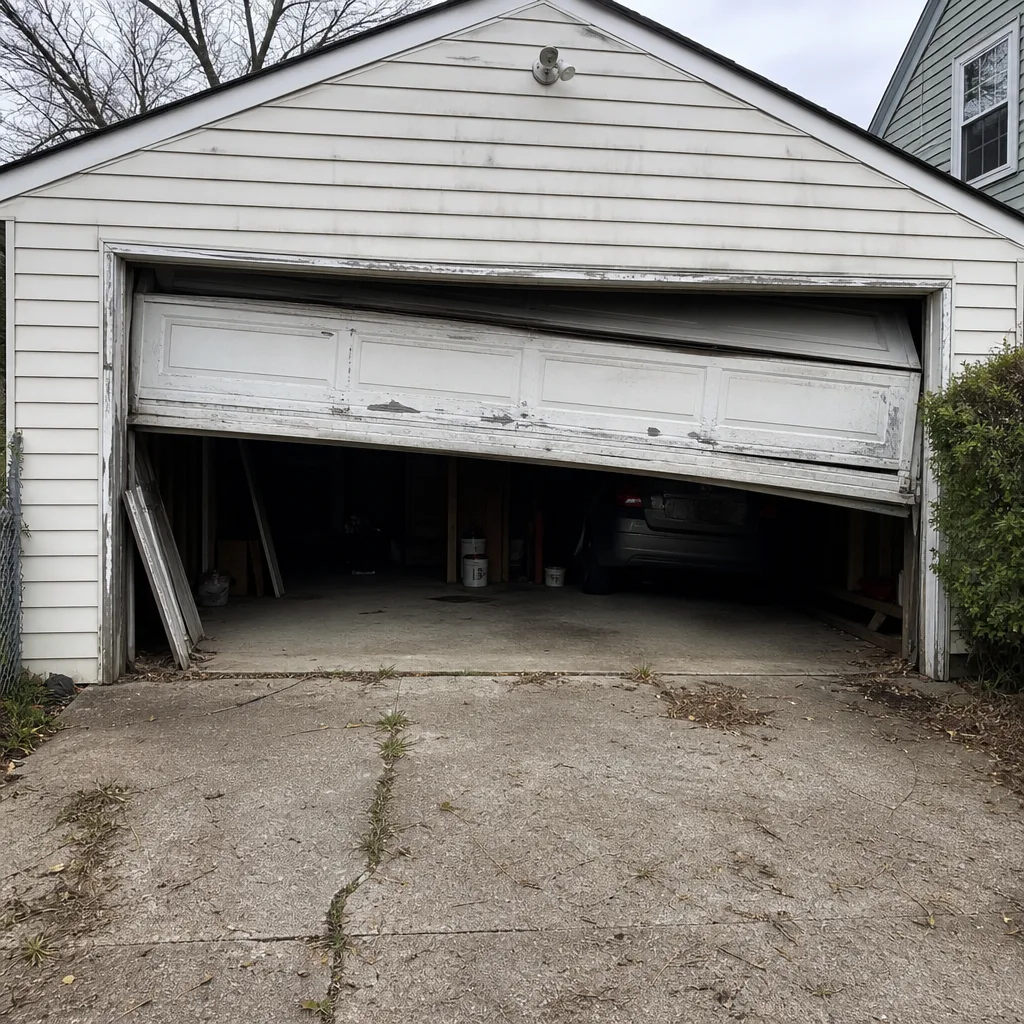 Before
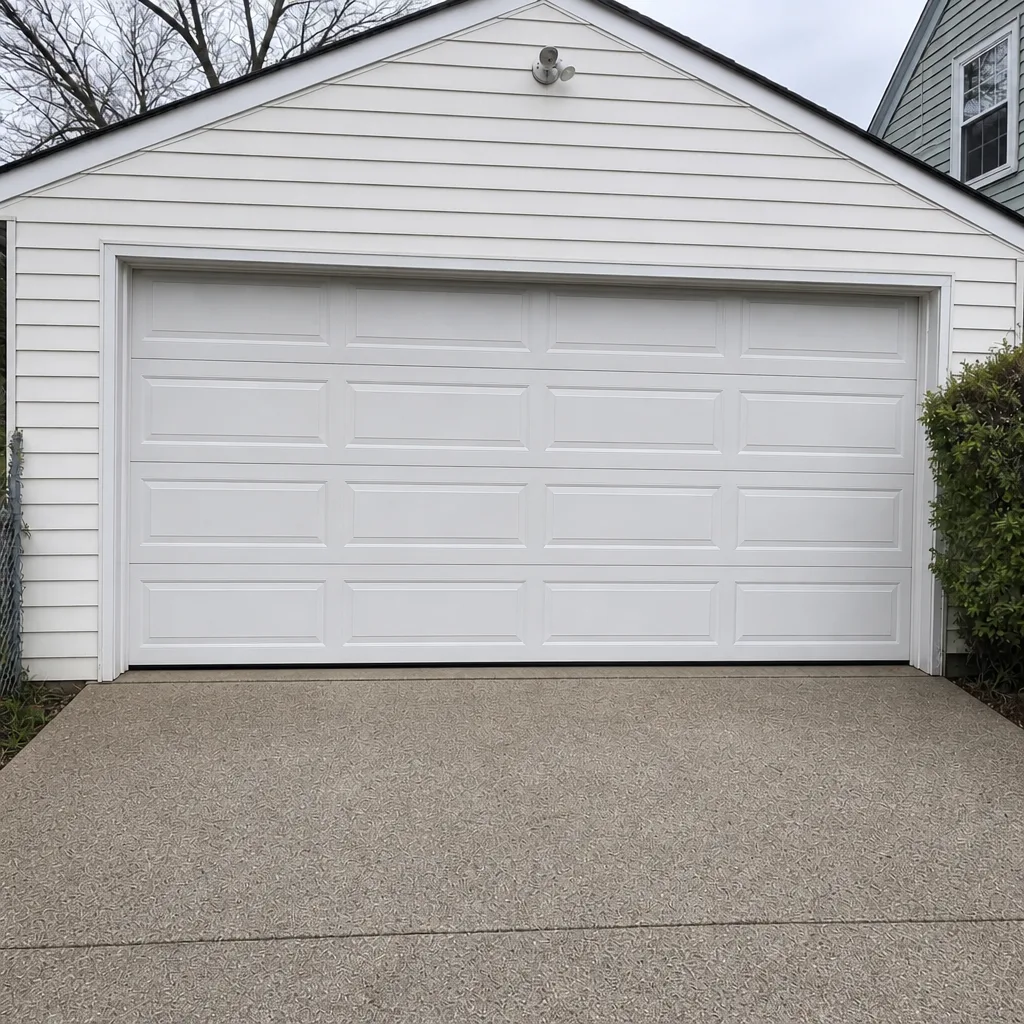 After
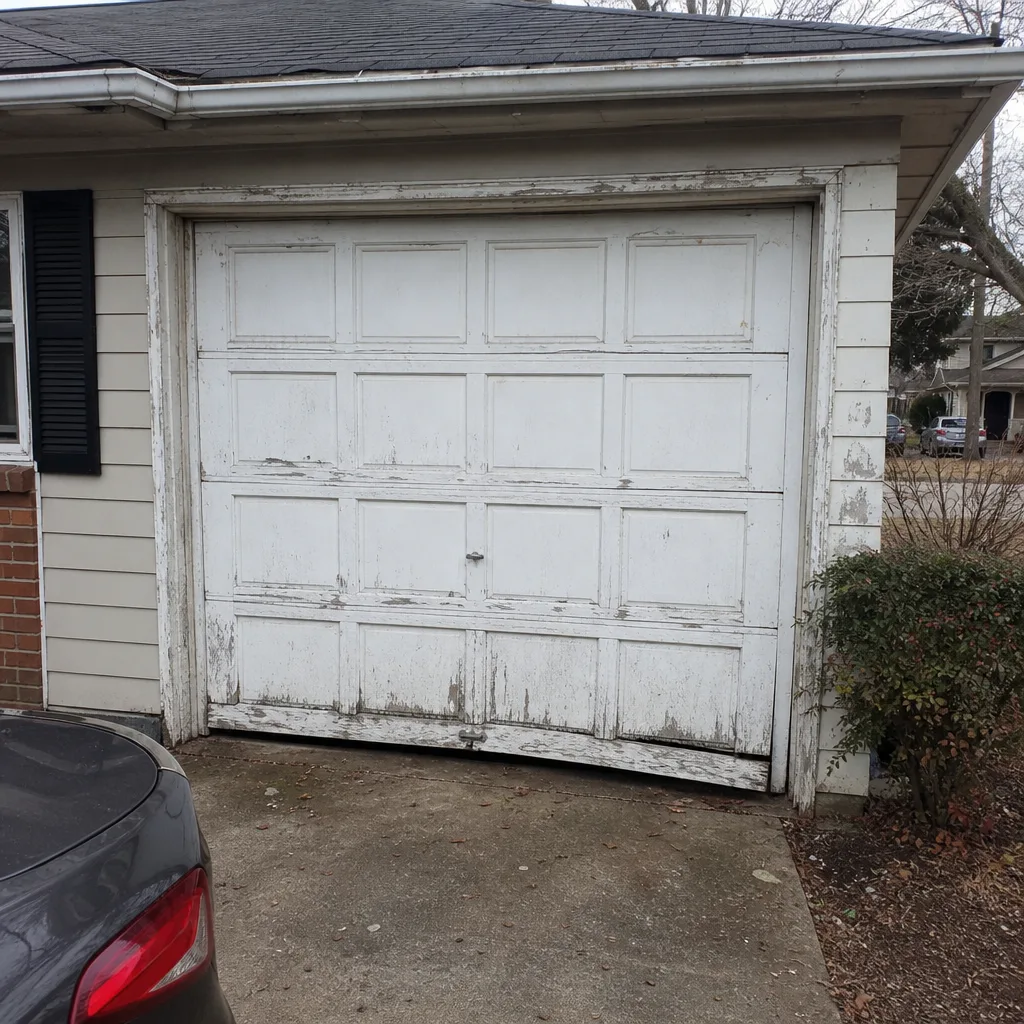 Before
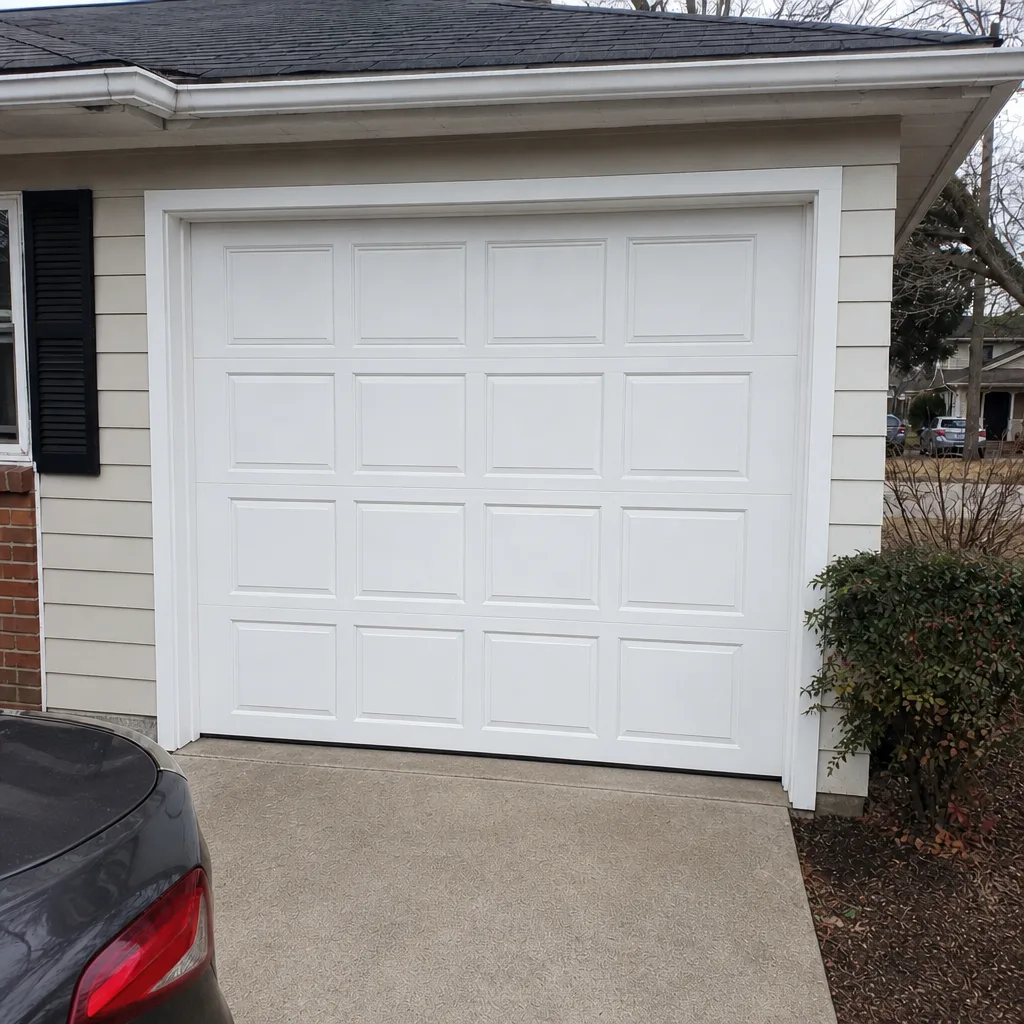 After
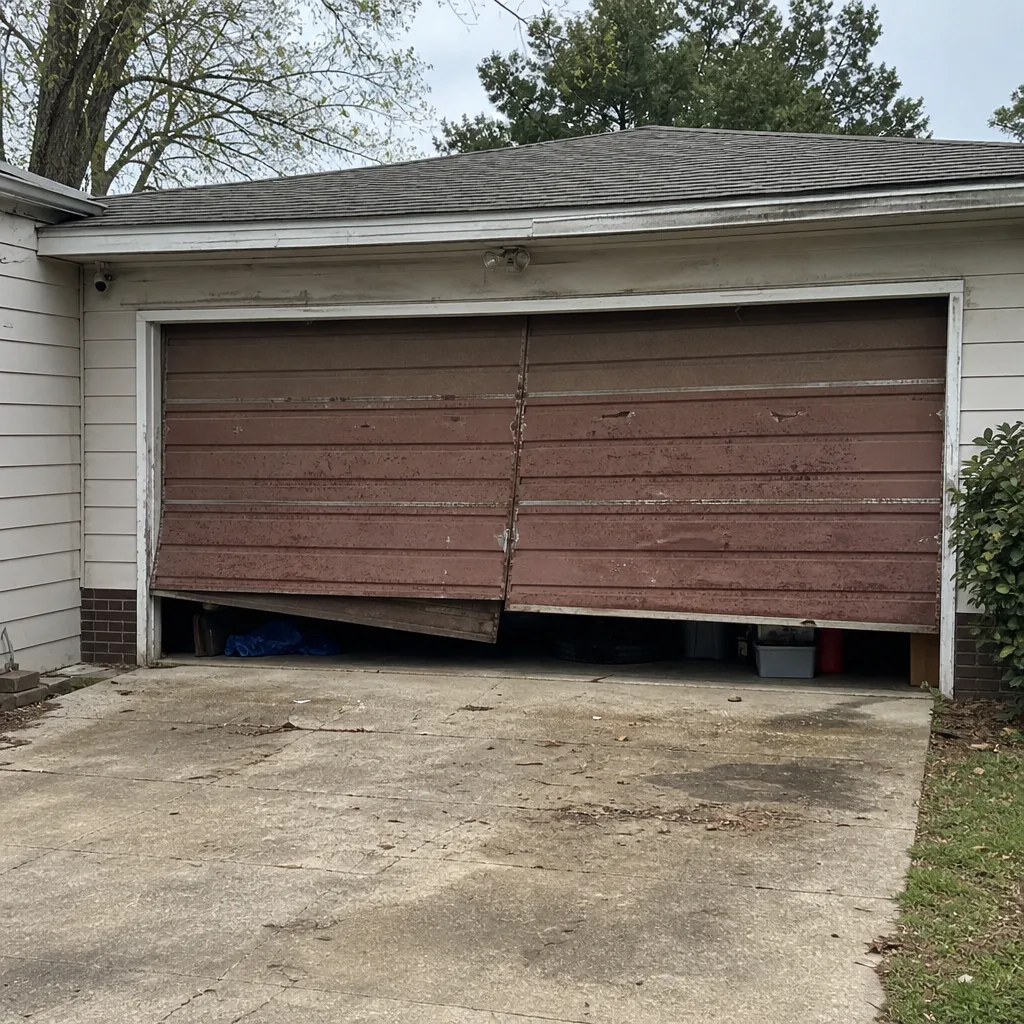 Before
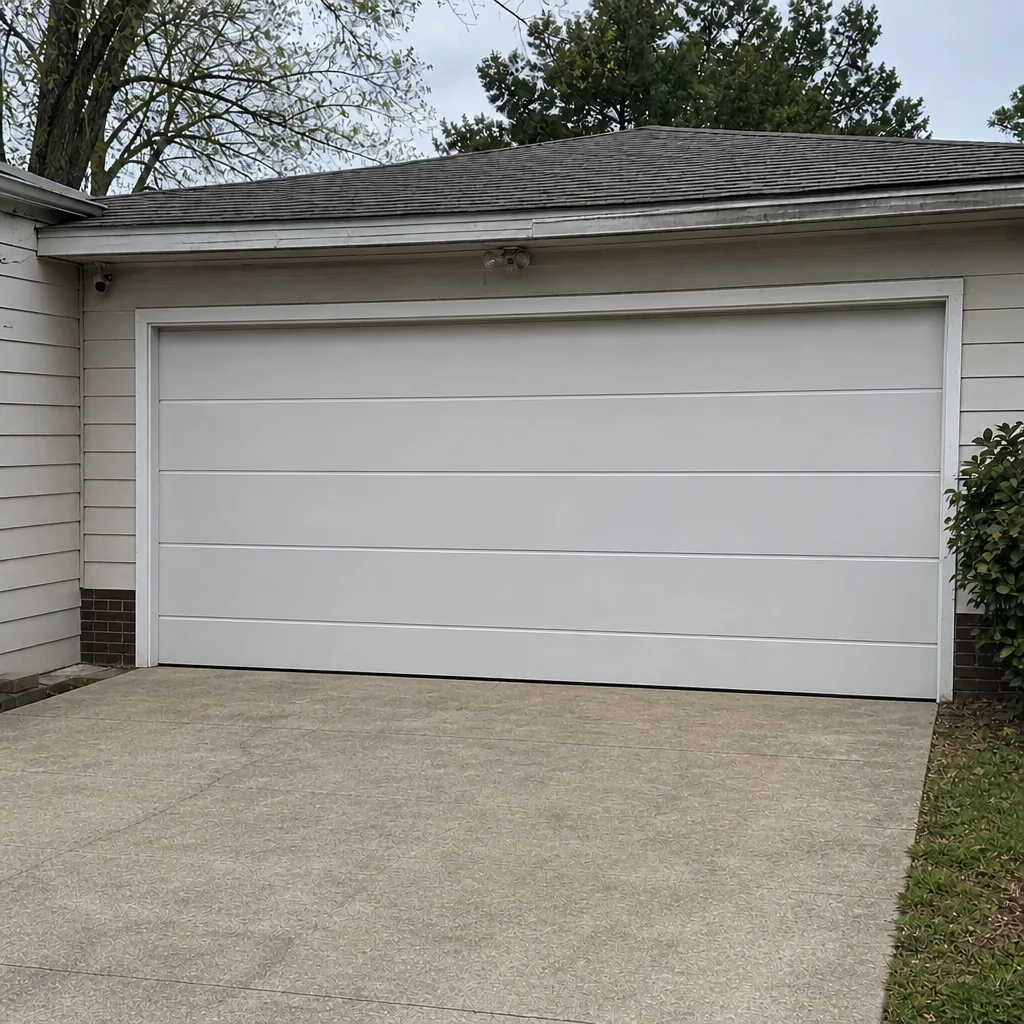 After
Frequently Asked Questions
A typical new single steel door runs $1,400 – $2,400 installed, and an insulated double door runs $2,400 – $4,200, with wind-rated models sometimes higher. The written estimate sets the final price. Call (844) 443-3797 for a free estimate.
Most homes in and near Norfolk’s hurricane wind zone need a door rated for the wind speed that applies to the address, and a door rated below the requirement fails a permit inspection. The building department can confirm the requirement for your specific address. Call (844) 443-3797 if you’d like a free assessment.
Torsion springs typically last around 10,000 cycles, but Norfolk’s humidity accelerates corrosion and tends to shorten that life. Visible rust on several coils means it’s time to plan a replacement rather than wait. Call (844) 443-3797 for a free estimate.
Yes, for most repair and emergency calls, same-day service is available. Call (844) 443-3797. We answer 24/7. Fast dispatch from 7am to 7pm, Sunday through Friday.
The local professionals we connect you with are licensed and insured as their state requires. Call (844) 443-3797 for a free estimate.
A belt-drive or DC-motor opener generally performs best in humidity because it avoids the chain corrosion and noise that chain drives develop. LiftMaster, Chamberlain, Genie, and Craftsman all offer these, and we service all four. Call (844) 443-3797 for a free opener assessment.
No, the written estimate you receive sets the price before any work begins. If we find something during inspection that changes the scope, we explain it and get your agreement before continuing. Call (844) 443-3797 for a free estimate.
We service equipment from LiftMaster, Chamberlain, Genie, Clopay, Amarr, Wayne Dalton, Craftsman, and Raynor. Whether your door is a Clopay or a Wayne Dalton, the repair approach is the same. Call (844) 443-3797 for a free estimate.
The Bottom Line
The most important decision for a Norfolk garage door is the one most homeowners never consider: whether the door’s wind rating matches the zone the house sits in. Verify that first. Then choose hardware built for the humidity: coated or stainless springs, sealed-bearing rollers, and a belt-drive or DC-motor opener over a chain drive. Expect maintenance cycles shorter than inland estimates, and plan accordingly. Know when to repair and when to replace. And never touch a loaded torsion spring. For repair, spring, opener, or installation work, contact Norfolk Garage Door Repair Experts at (844) 443-3797 for a free, no-obligation estimate. We answer 24/7, and fast dispatch is available 7am to 7pm, Sunday through Friday.
Related reading on our site: Norfolk Garage Door Repair Experts for our full service overview, garage door repair for same-day fixing, garage door opener repair for diagnostic help, and garage door installation for new door and opener upgrades.
Contact
Ready to sort out your garage door? Call Norfolk Garage Door Repair Experts at (844) 443-3797 for a free estimate. We answer 24/7. Fast dispatch from 7am to 7pm, Sunday through Friday. We service your brand, fix the problem correctly, and tell you the price before any work starts.
Written by the team at Norfolk Garage Door Repair Experts.