
Last updated November 21, 2026
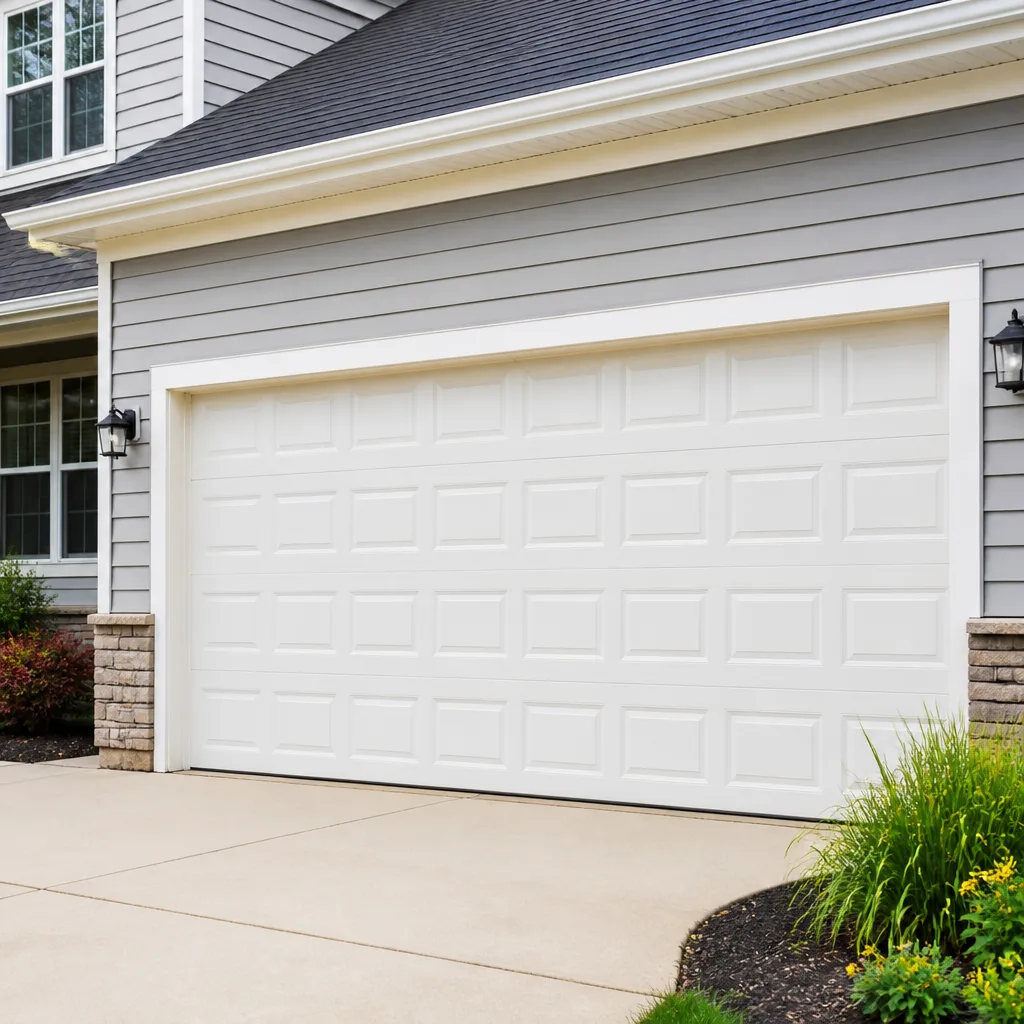 Raised-panel steel
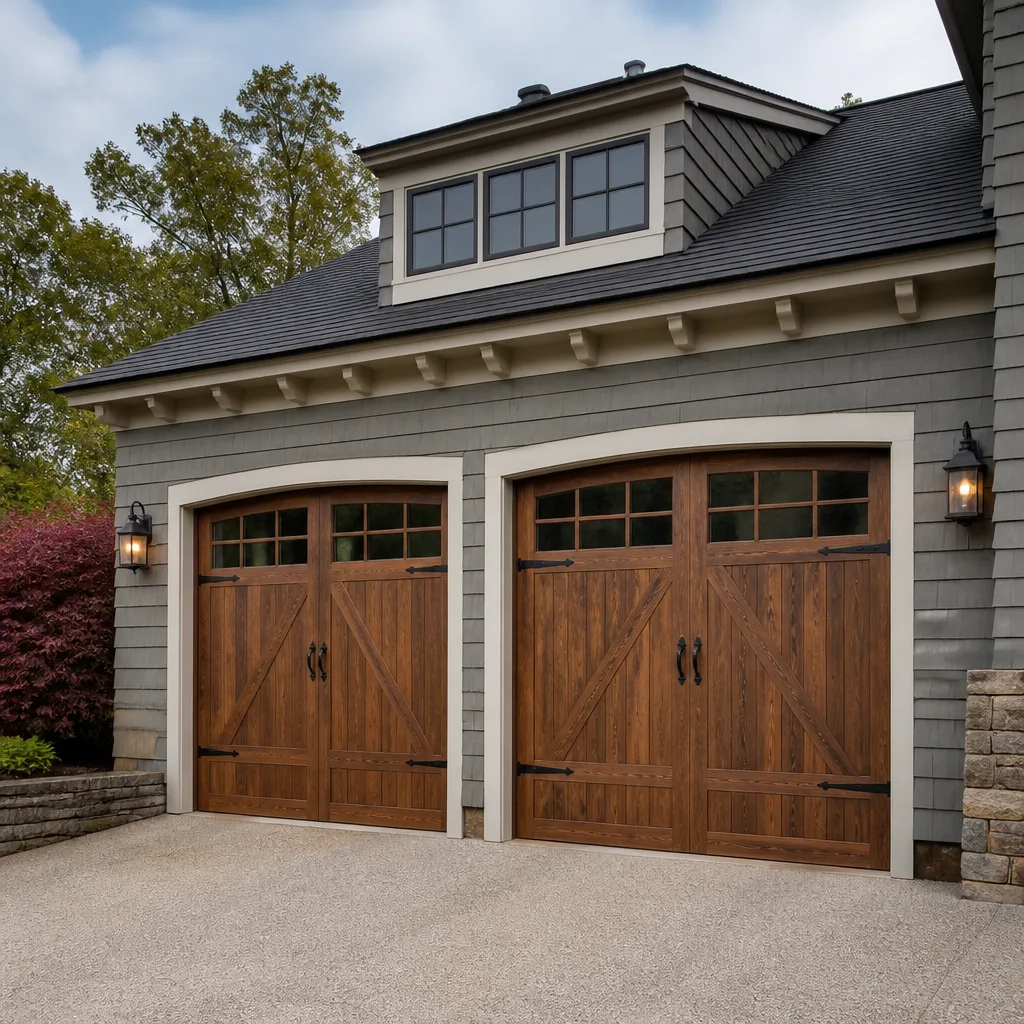 Carriage house
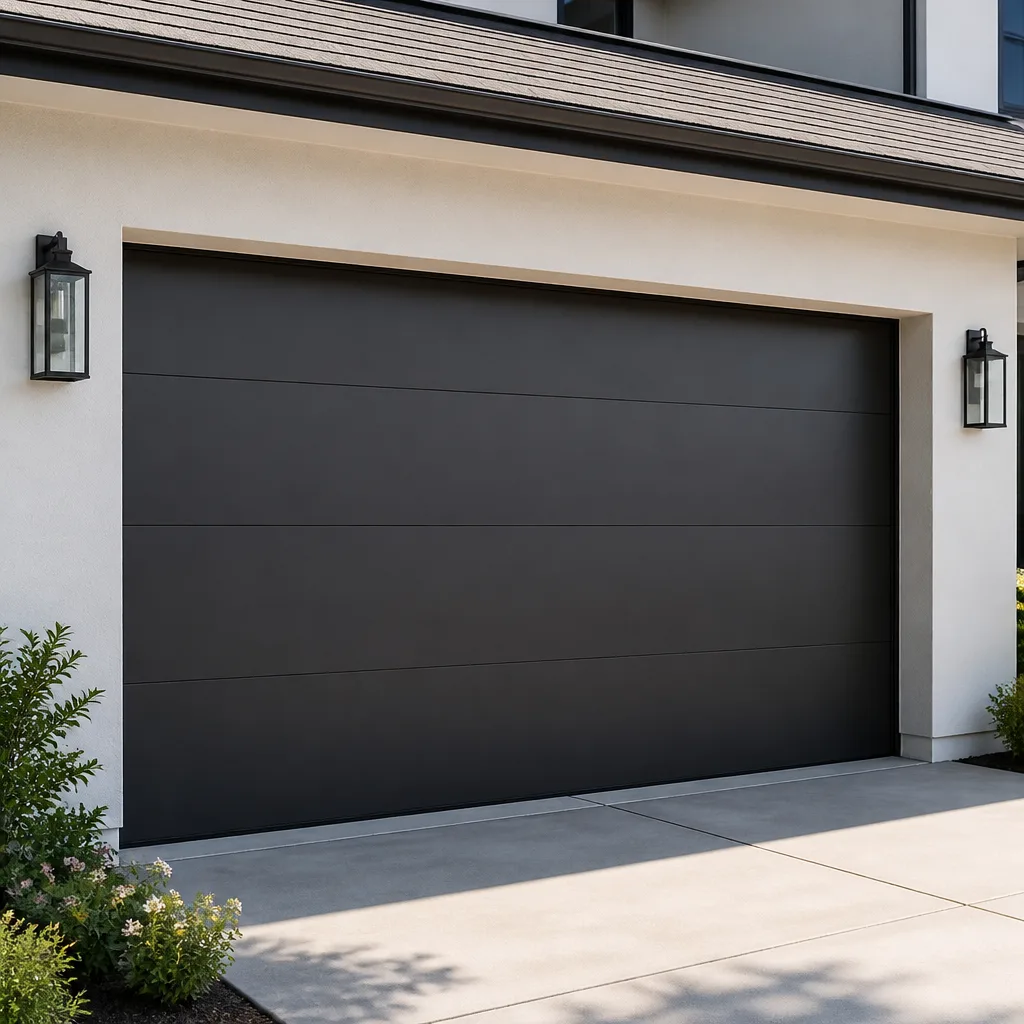 Modern flush
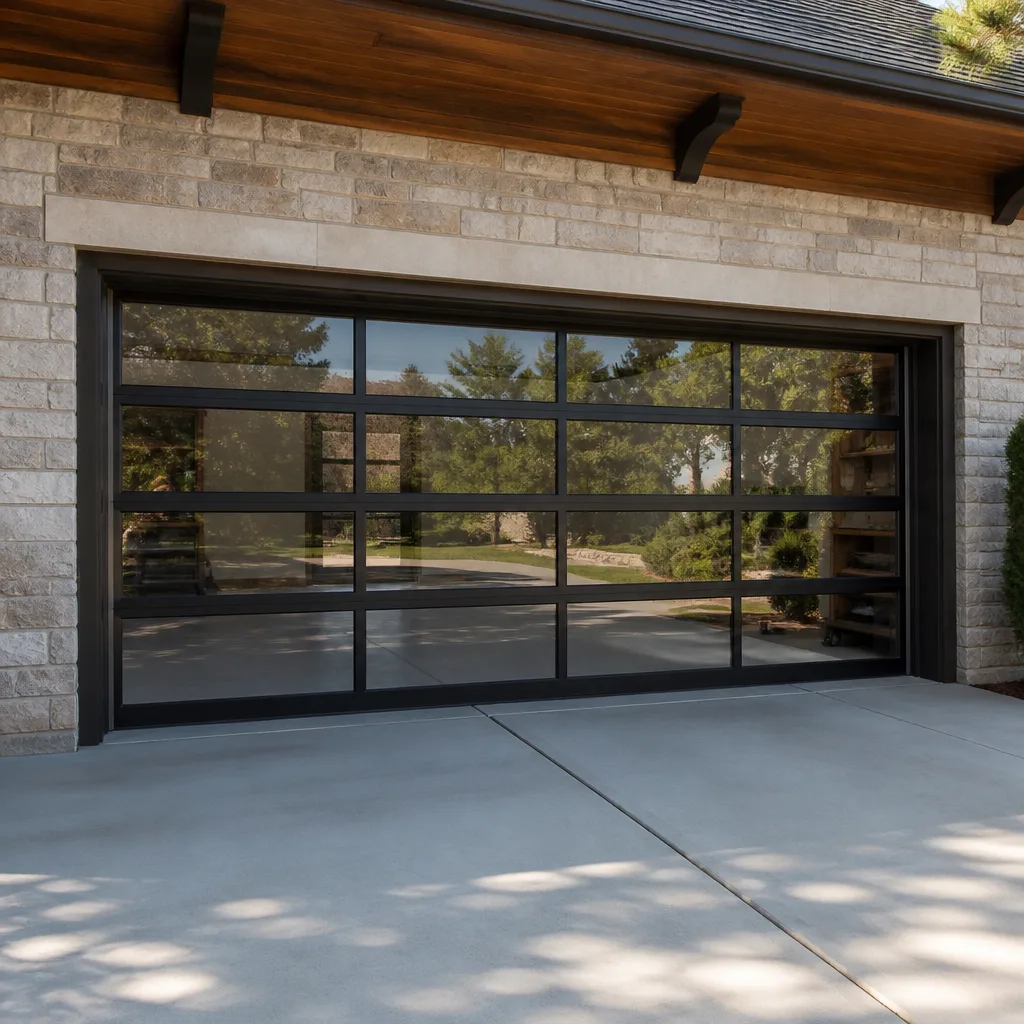 Full-view glass
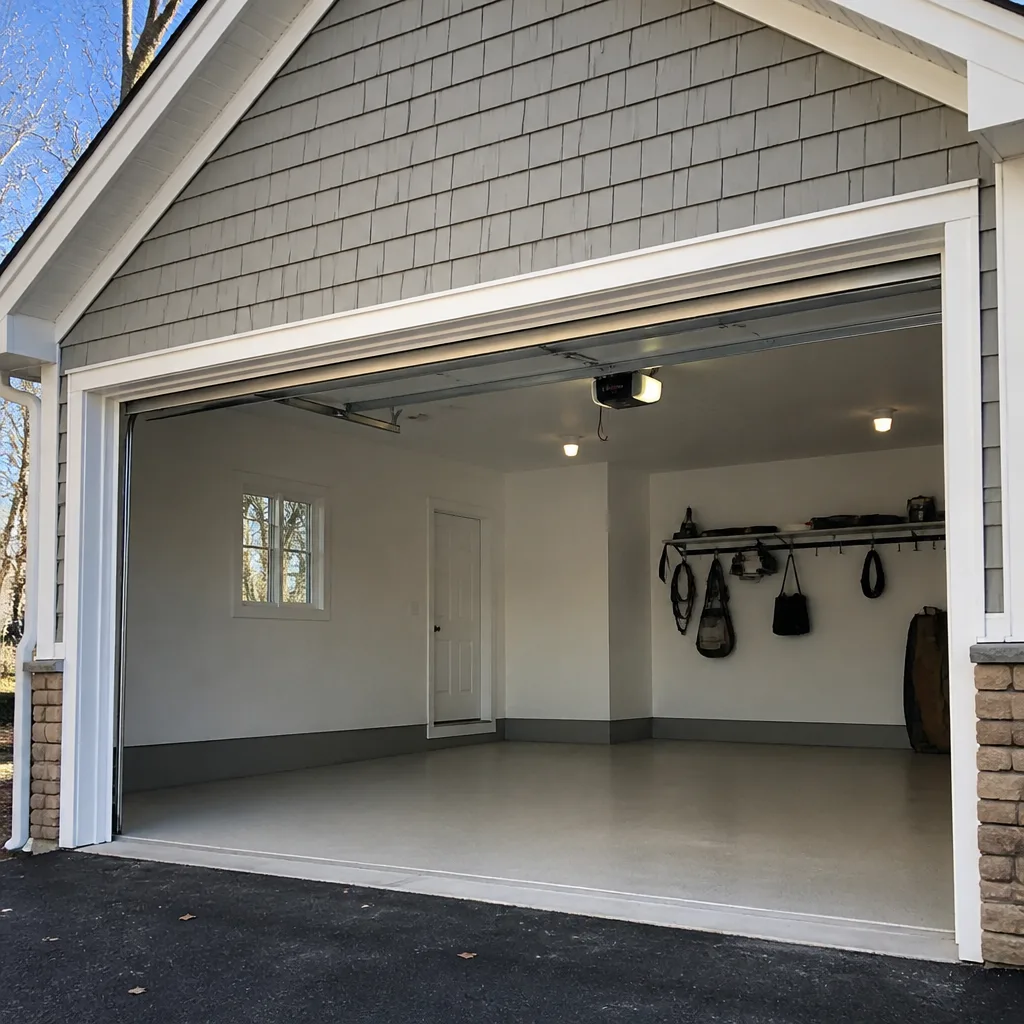 LiftMaster openers
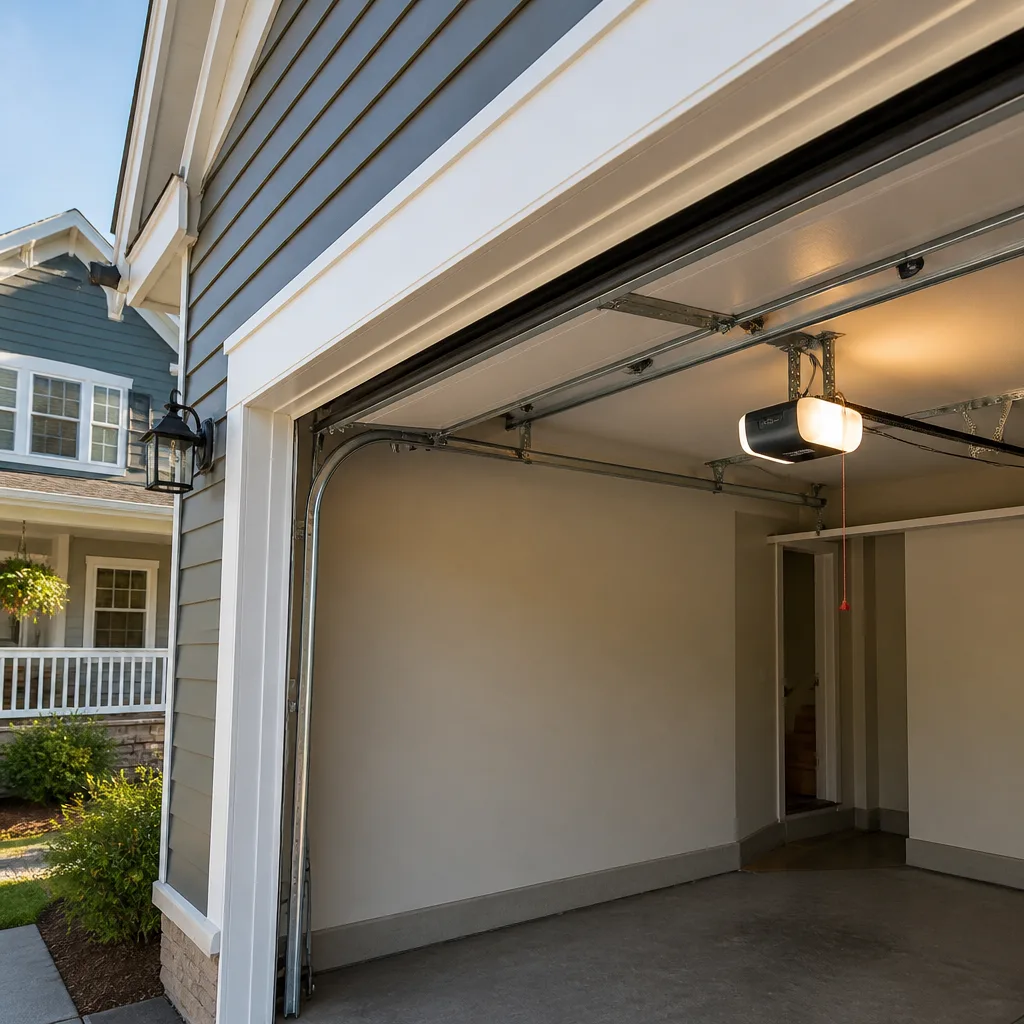 Chamberlain openers
Full 25-point door and opener safety check with every visit - springs, cables, rollers, tracks, and your LiftMaster or Chamberlain opener included
You get a price before we start. It does not change when the pro arrives.
Get your free estimateGarage Door Permits, Codes & Inspections in Norfolk, VA: What You Need to Know
Most Norfolk homeowners assume swapping a garage door is a no-permit job. It often is, and just as often it isn’t. Replacing a door with a panel of different weight or wind resistance rating is a structural alteration under Virginia’s Uniform Statewide Building Code, and unpermitted work can surface during a real estate transaction years later. This guide maps when a permit is required in Norfolk, which work triggers state code review, what an inspector actually examines, and how to keep a future home sale from stalling on a door nobody pulled papers for.
Quick Answer
In Norfolk, a like-for-like garage door replacement on a one- or two-family home usually does not require a building permit, but any change in door size, weight, material, or wind resistance rating does, because it becomes a structural alteration under the Virginia Uniform Statewide Building Code. Opener electrical work must meet code for the circuit serving it, and installations in Norfolk’s wind-borne debris region require documentation that the door meets the required design pressure. When in doubt, ask the City of Norfolk Development Services before the door is ordered, not after.
Styles & brands we work with
- Raised-panel steel
- Carriage house
- Modern flush
- Full-view glass
- LiftMaster openers
- Chamberlain openers
Table of Contents
- When does a garage door need a permit in Norfolk?
- What does the Virginia Uniform Statewide Building Code require for garage doors?
- What wind load documentation applies in Norfolk?
- What does a Norfolk building inspector check?
- Do garage door opener circuits need electrical inspection?
- How does unpermitted garage door work surface at resale?
- Who pulls the permit, and what does it cost?
- Common mistakes to avoid
When does a garage door need a permit in Norfolk?
A garage door needs a permit in Norfolk when the work changes the structure, the opening, or the wind resistance rating of the door. A direct swap of the same model and same size typically does not. The dividing line is whether the work alters the load path or the opening envelope.
City of Norfolk Development Services reviews the scope: a replacement door of the same width, height, and track layout, installed with the same anchorage method, is generally treated as a repair or maintenance item. Change the weight, the size, or the wind rating, and the scope shifts to an alteration of structure. That is when a permit and inspection are required.
Here is the practical split Norfolk homeowners run into:
- Usually no permit: replacing a damaged panel or section with identical materials; swapping a spring, opener, or hardware at the same mounting points; painting or refinishing an existing door.
- Typically requires a permit: replacing the entire door with a product of a different weight or construction; increasing or decreasing the opening size; changing door type (a sectional for a single-panel roll-up, for example); adding a door where none existed.
- Requires a permit and possibly other trade review: any work that requires cutting or framing new structure around the opening, and any new electrical circuit for the opener.
A garage door is a structural component of the house. It carries wind load into the framing, and its anchorage ties into the header. Anything that changes the door’s weight or how it transfers force into the wall is a structural question, not a hardware question. That is why a door installer who does only like-for-like swaps will tell you no permit is needed, and be right in most cases, while a change in door spec quietly creates a problem. Ask the city’s building department before you order the door, and get the answer for your specific address.
What does the Virginia Uniform Statewide Building Code require for garage doors?
Virginia’s Uniform Statewide Building Code is a statewide code adopted through the Commonwealth, and local building departments, including Norfolk’s, enforce it. For garage doors, the code provisions that come into play are about the structural enclosure, the connection of the door to the framing, and the electrical circuit serving the opener.
The code treats the garage as part of the building envelope. A garage door opening has to maintain the structural integrity of the wall, and the door and its anchorage have to be capable of resisting the design loads for the location. That is a general statement, and the exact section numbers and requirements get specific fast, so a homeowner should ask Norfolk Development Services what applies at their address and let the licensed contractor handle the code book.
What the code review usually covers for a garage door installation:
- Enclosure integrity: the opening is framed and braced so it does not weaken the wall it passes through.
- Anchorage: the door’s weight and wind load have to transfer into the header and jambs, not into the drywall and trim.
- Electrical: the circuit serving the opener has to meet code for garage environments, which typically means GFCI protection of receptacle outlets in the garage.
- Documentation: manufacturer instructions and product data, which the inspector can ask to see if the door is part of a permitted alteration.
One distinction matters for Norfolk: replacing a door with a product of different weight or wind resistance rating is treated as a structural alteration, not a minor repair. So the moment the door spec changes, the code conversation changes with it. That is the point where a permit is almost always in the picture.
What wind load documentation applies in Norfolk?
Norfolk sits within a wind-borne debris region designation for building code purposes, which means exterior components, including garage doors, have to be documented to resist design wind pressure for the site. This is not a Norfolk-only quirk. It applies across much of this part of Virginia, and it is why a door ordered out of a catalog without the pressure rating is the wrong door for the job.
What the documentation looks like in practice:
- The contractor calculates or references the design pressure that applies to your address and the door opening.
- The door manufacturer issues product documentation stating the rating for that door model and size.
- That paperwork is available if the city or a future buyer’s inspector asks for it.
Wind load rating is not a marketing number. It describes the pressure the door and its anchorage can resist in place, and an inspector looks at the rating for the specific installation, not the rating in a brochure for a different size door. A door can hold a certain design pressure at one width and fall short at another. That is why the documentation, not just the model name, is what matters.
We’ve seen Norfolk homeowners end up in a tricky spot because a replacement door was installed without documentation for the pressure rating and the old paperwork was thrown out. If you are replacing a door in Norfolk, keep the manufacturer’s product data and the installation instructions together with your home records. It takes five minutes and saves a long conversation later.
What does a Norfolk building inspector check?
A Norfolk building inspector on a permitted garage door installation checks three things: anchorage, the load path at the header, and, where a new circuit is part of the work, the electrical connection for the opener. The inspection is about how the door is attached and how the load moves into the house, not about how smoothly the door runs.
What the inspector examines:
- Anchorage: the door’s brackets and track are fastened with the required fasteners into structural framing, not into unsupported sheathing, and the door follows the manufacturer’s installation instructions for anchorage spacing.
- Header load path: the opening is framed so the load from the door above transfers into the header and jamb framing, and any alteration to the opening has been made with the required material.
- Opener circuit: where electrical work is part of the scope, the inspector confirms the receptacle serving the opener is protected as the code requires for the garage, and the wiring is properly secured.
- Product documentation: the manufacturer’s instructions and the door’s rated design pressure available on site for the inspector to review.
Not every installation triggers an inspection, and that’s fine, because a permitted job should look the same whether the city sends someone out or not. The header should already be framed correctly. The anchorage should already hold. The opener shouldn’t be plugged into an outlet that trips every time it rains. When the paperwork and the installation line up, a Norfolk inspection is quick.
Do garage door opener circuits need electrical inspection?
Sometimes. A straight replacement of an opener on the existing outlet and wiring is an appliance replacement and typically doesn’t require an electrical review. A new opener that needs a new receptacle, a new circuit, or a relocated mounting location does, and the electrical portion of that work is inspected alongside the building permit.
If the opener upgrade is a smart-home unit, the LiftMaster, Chamberlain, and Genie lines included, the outlet at the opener has to be live and grounded in a way that supports the unit. A Wi-Fi-connected opener is only as reliable as the power it’s on, and if the garage has a single outlet on a circuit shared with other loads, the opener can end up working improperly, which is a wiring and location issue as much as an opener issue. Take a look at your garage outlet before you buy the opener. Where it is and whether it shares a circuit matter for how the install goes.
A licensed garage door installer handles the mechanical and hardware side, and where the work requires a licensed electrician for a new circuit, that’s a separate trade. That is exactly why it’s worth one phone call before the install date. We work on your door and opener, but the permit and the electrician are pieces of the same job, and it’s much easier on everyone to get them in order up front. This is also why a proper garage door opener repair conversation starts with questions about the outlet and the circuit as well as the unit.
How does unpermitted garage door work surface at resale?
Unpermitted garage door work most often appears during a home sale, when the buyer’s inspector looks at the door and the title records, and no permit or documentation surfaces. At that point the seller has to prove the work complies, or remediate it, and the process moves slower than the sale.
What usually happens when unpermitted work is discovered:
- The buyer’s inspector notes the door appears to be a newer product without documentation of the permit history.
- The seller is asked to produce permit records and product data. If they can’t, the question becomes whether the door actually meets code for the property.
- A retroactive permit is often the path. The door gets reviewed as today’s installed condition, and that may require corrective work if the anchorage or documentation falls short.
- The cost and timeline of the correction land on whoever owns the property at closing.
Norfolk isn’t unique in this. Title and inspection questions follow the property record, and a garage door that was swapped five years ago without documentation becomes a negotiation point when the house goes on the market. The remedy is usually a contractor’s evaluation, a permit, and any corrective work the code review requires. If the door is fine, the records may just need to be pulled together and provided. If it isn’t, the correction could involve re-anchoring or a different door outright.
The cheapest version of this problem is the one you prevent before the door is installed. Keep the documentation, ask the city before the work, and a future buyer’s inspector has nothing to find.
Who pulls the permit, and what does it cost?
The contractor who performs the work typically pulls the permit. Permit fees for residential garage door work in Norfolk are set by the City of Norfolk Development Services based on the project scope, and the fee is usually part of the written estimate. Call the city to confirm what a permit will cost for your specific project.
The process from the contractor’s side:
- The scope is measured on site, including the door size, weight, and the wind pressure the installation has to meet.
- The permit application goes to the city with the project details.
- The door is ordered.
- The install is scheduled, and the inspection, if one is required, is arranged around the completed work.
That sequence matters. Ordering a door before the permit is confirmed, or before the design pressure has been established, is how Norfolk projects end up with the wrong product on site and a delay in the schedule. A door swap is measured, ordered, and scheduled, which is why a permit question and a written quote belong in the same conversation. If you’re comparing garage door installation options, ask each contractor how they handle permits and wind load documentation. The answer tells you a lot about how the rest of the job will go.
Common Mistakes to Avoid
- Assuming all replacements are permit-free. The like-for-like swap usually is. A different door is usually not. If the door’s weight, size, or rating changes, check with the city before ordering.
- Treating wind rating as a brochure number. In Norfolk’s wind-borne debris region, the rating has to match the specific door at the specific opening, and the documentation has to survive the install. Keep the product data.
- Skipping the outlet conversation. A new opener on a garage circuit that isn’t protected as the code requires is a repair that turns into electrical work. Look at the receptacle before the install date.
- Ordering before the permit is confirmed. The door is the long-lead item. A permit or documentation issue discovered after it arrives delays the whole job, not just the paperwork.
- Throwing away the installation documentation. Manufacturer instructions and the pressure rating paperwork are exactly what a future inspector asks for. Keep them with your home records.
- Letting a general handyman handle a structural door change. Anchorage and load path are structural questions. A speciality installer knows when a permit is required and when it isn’t, and a handyman often doesn’t.
- Waiting until the home sale to ask. Unpermitted door work surfaces at the worst possible moment. A quick call to Norfolk Development Services now is cheaper than remediation later.
See the difference
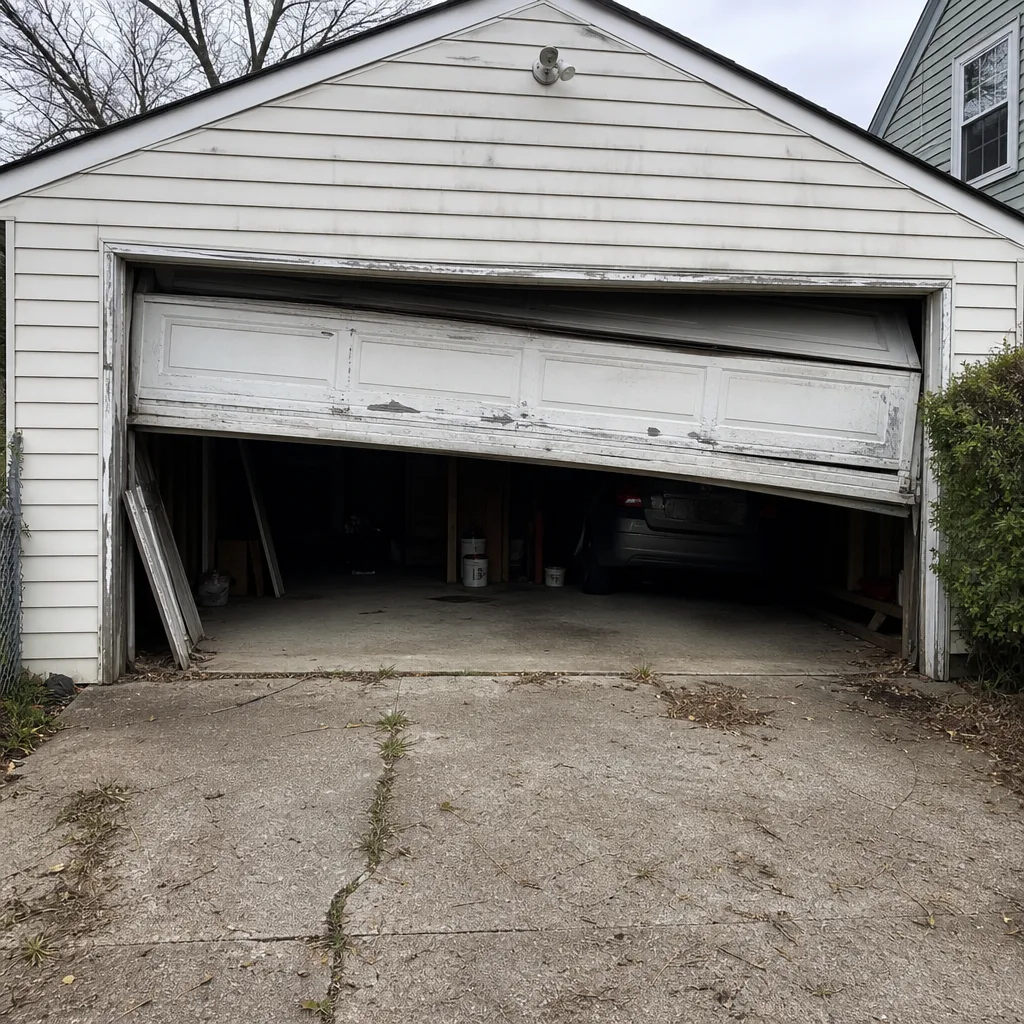 Before
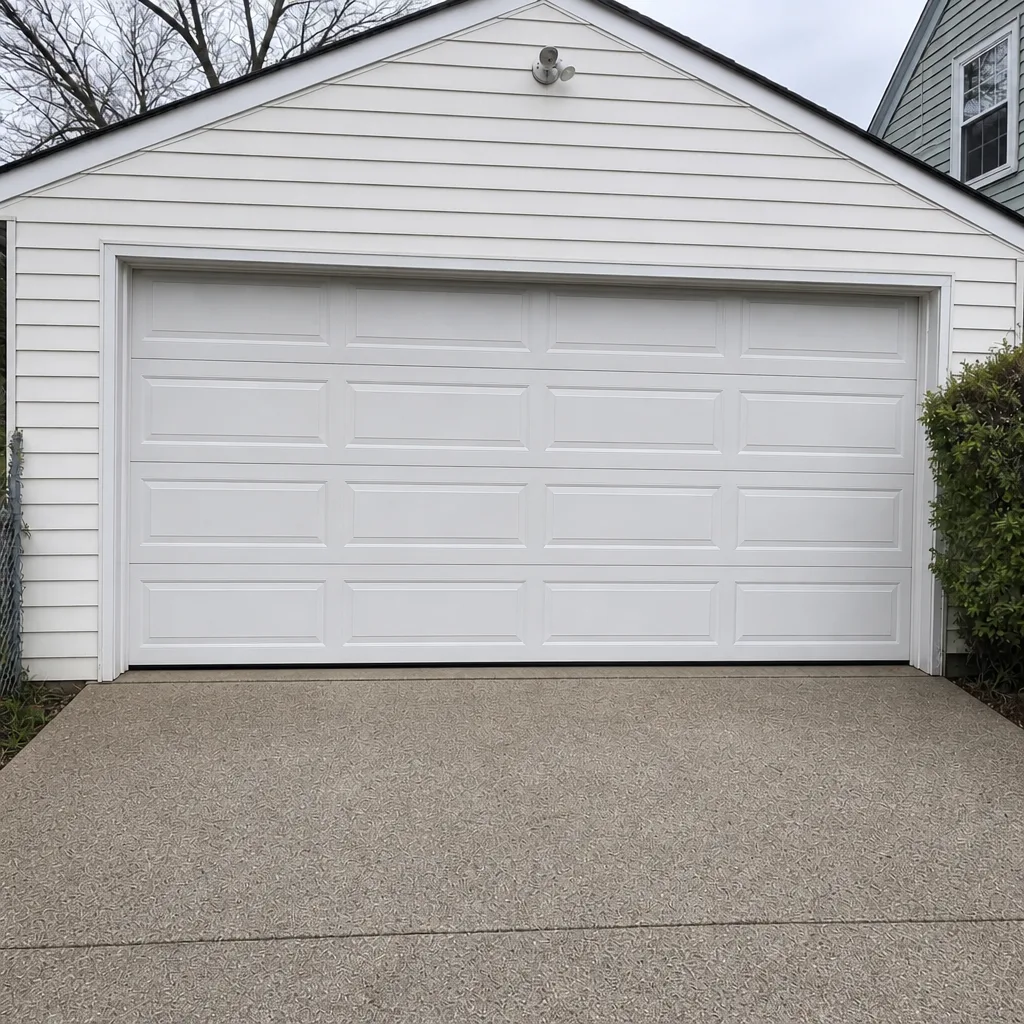 After
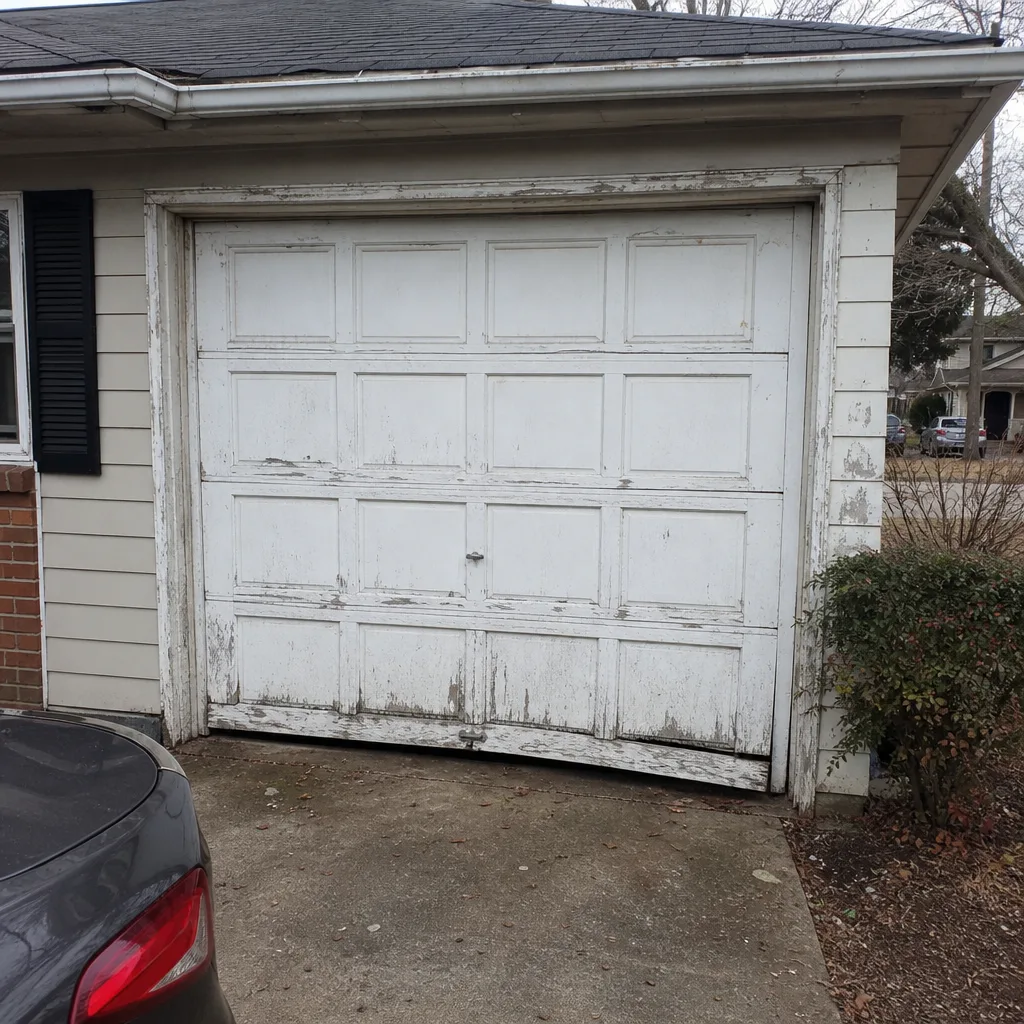 Before
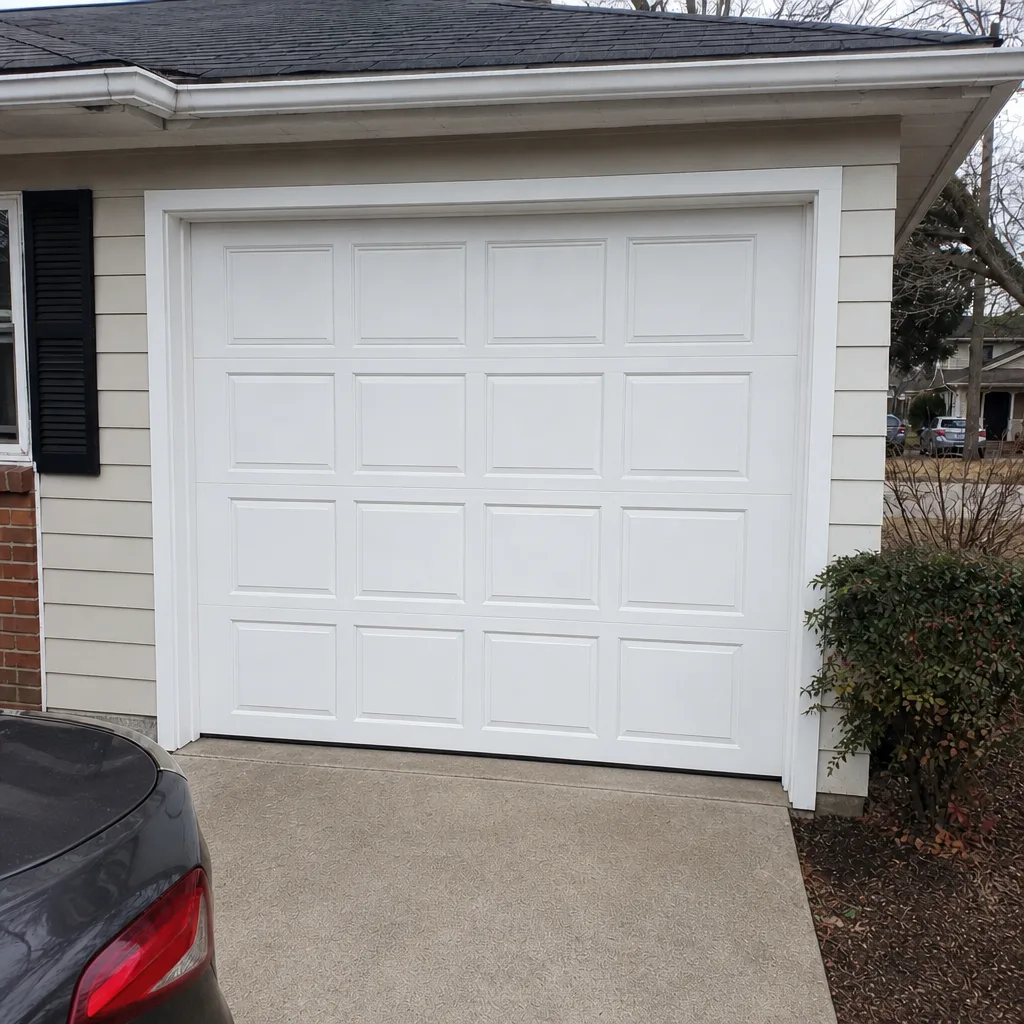 After
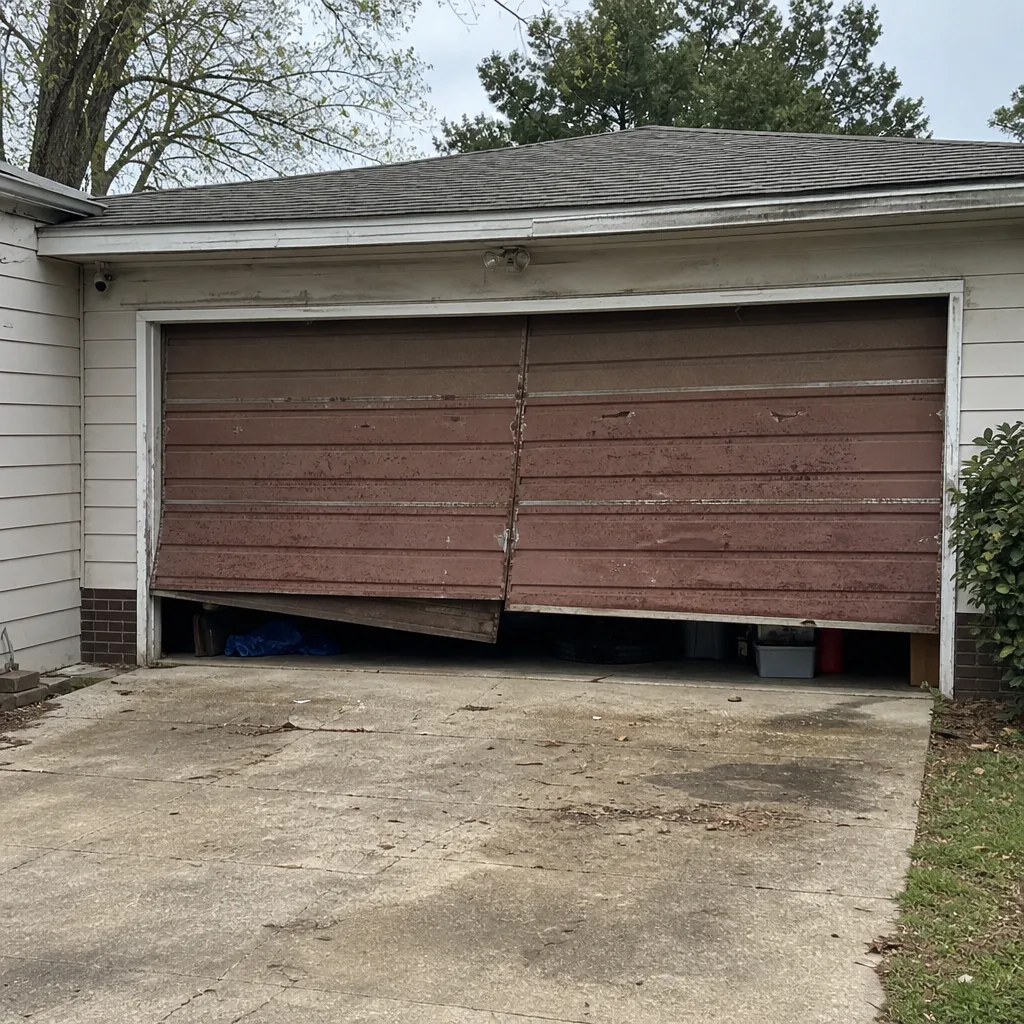 Before
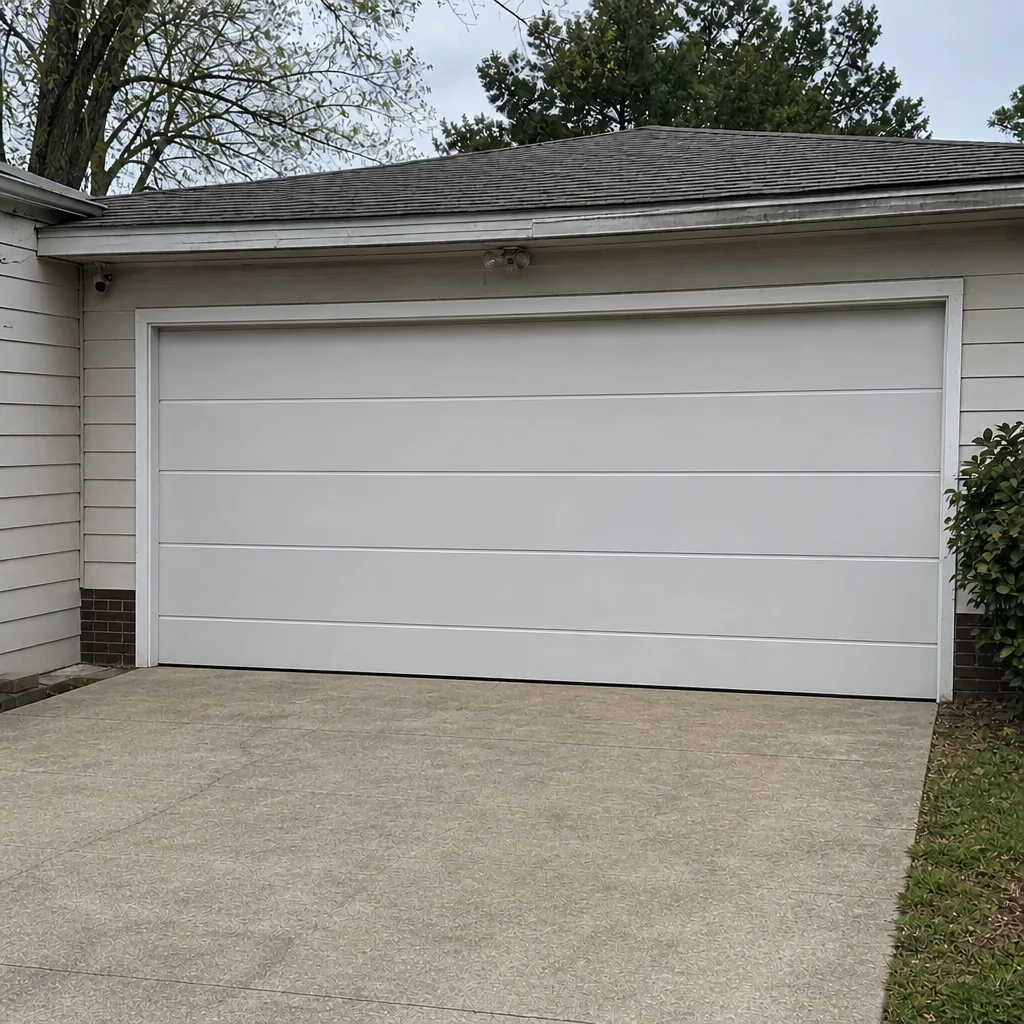 After
When to Call a Professional
Call a professional when the work is structural, when the door spec changes, when the opener needs new wiring, or when a permit question has no clear answer. High-tension springs are the most dangerous part of any garage door system, and this is work for a trained specialist, not a weekend project. If your door has stopped moving entirely, that’s an emergency for a security reason: the garage is open, or the door is stuck in a position that leaves the house exposed. Our technicians have up to 14 years of experience, and we service Chamberlain, Clopay, Amarr, and the other major brands without a pause about whether it’s the right system for us.
Norfolk Garage Door Repair Experts offers free estimates in Norfolk. Call (844) 443-3797. We answer 24/7. Fast dispatch from 7am to 7pm, Sunday through Friday.
Frequently Asked Questions
Usually not if the new door matches the old one in size, weight, and wind rating. A door with a different spec is a structural alteration under the Virginia Uniform Statewide Building Code, and that requires a permit. Ask the City of Norfolk Development Services to confirm for your address before the door is ordered, then call (844) 443-3797 for a free estimate.
It’s a building code designation that applies to parts of Virginia, including Norfolk, and it means exterior components like garage doors must be documented to resist design wind pressure for the site. The rating has to match the specific door and opening, and the manufacturer’s paperwork should be kept with your home records. That documentation is what an inspector or a buyer’s inspector will look for.
Only if a permit is required and the installation is part of permitted work. The inspector examines anchorage, the header load path, any new electrical work for the opener, and the product documentation. A permitted job passes inspection smoothly when the installation and paperwork are in order, and the inspection is not something to dread if the work was done right.
We handle same-day repair on doors that have stopped working, and emergency service when the failure leaves the home exposed or blocks access. Call (844) 443-3797. We answer 24/7. Fast dispatch from 7am to 7pm, Sunday through Friday. We’ll tell you on the call what we can do that day, and the price is quoted and agreed before any work starts.
No, the written estimate sets the price. We look at the door, the opener, the anchorage, and the permit question on site, then give you a written price before we touch the door. If the scope changes because of something we find during the work, we stop and talk to you before anything proceeds. Estimates are free, and there’s no charge to diagnose.
The local professionals we connect you with are licensed and insured as their state requires, which is what matters on structural and electrical work. Our technicians have up to 14 years of experience on residential garage doors and openers. Call (844) 443-3797 for a free estimate and we’ll get you booked.
The Bottom Line
A garage door replacement in Norfolk is often permit-free, but only when the new door matches the old one in every way that matters to the structure. Change the weight, the size, or the wind resistance rating, and the work becomes an alteration that needs a permit, documentation, and a Norfolk inspection. The wind-borne debris designation means the door’s rated design pressure has to match the opening, and the paperwork for that match is worth keeping. Unpermitted work surfaces at resale, where the cost and timeline land on the seller. Get it right before the door is ordered, and a future home inspection has nothing to question. If you’re unsure where your project falls, call and we’ll help you sort it out.
Ready to move forward? Call (844) 443-3797 for a free estimate. We answer 24/7. Fast dispatch from 7am to 7pm, Sunday through Friday. Visit Norfolk Garage Door Repair Experts to see what we handle, including garage door repair and spring work, and we’ll make sure your door, opener, and permit paperwork all line up.
Written by the team at Norfolk Garage Door Repair Experts.