
Last updated November 21, 2026
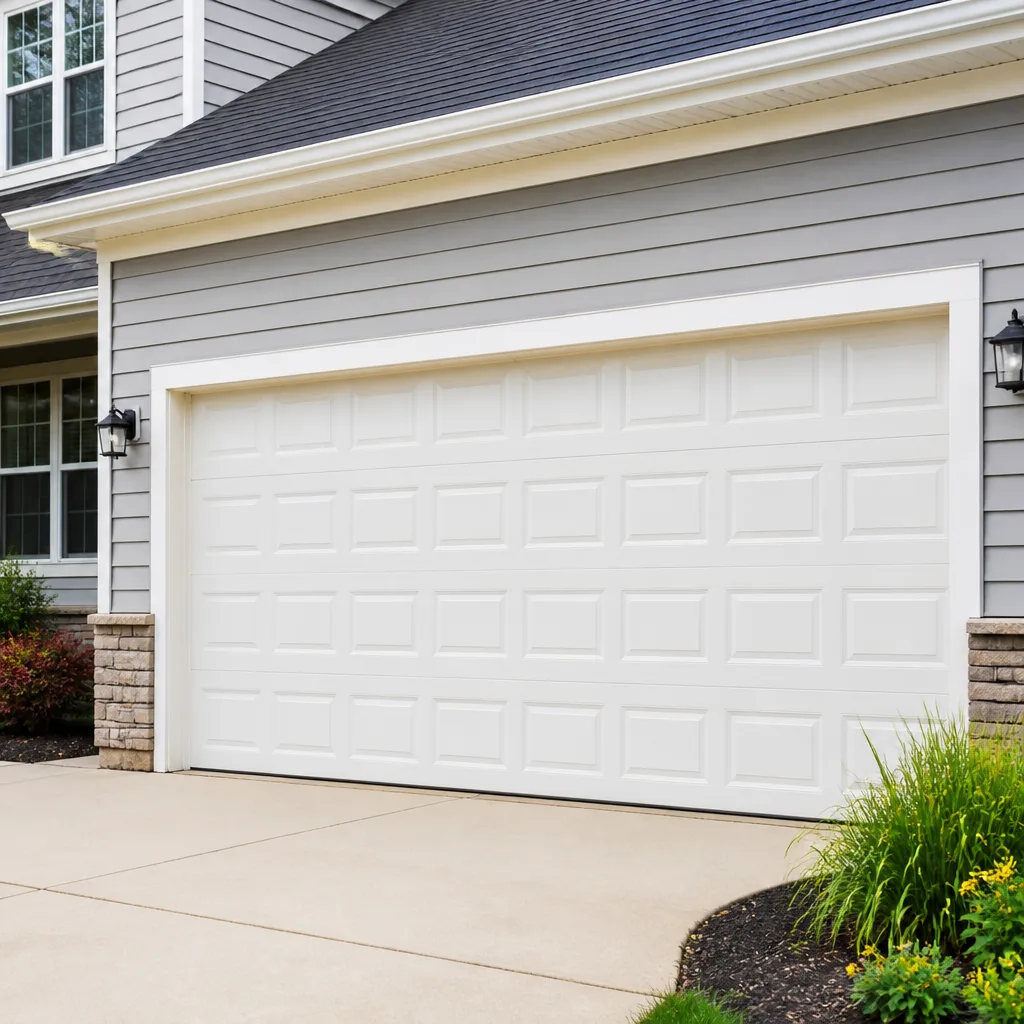 Raised-panel steel
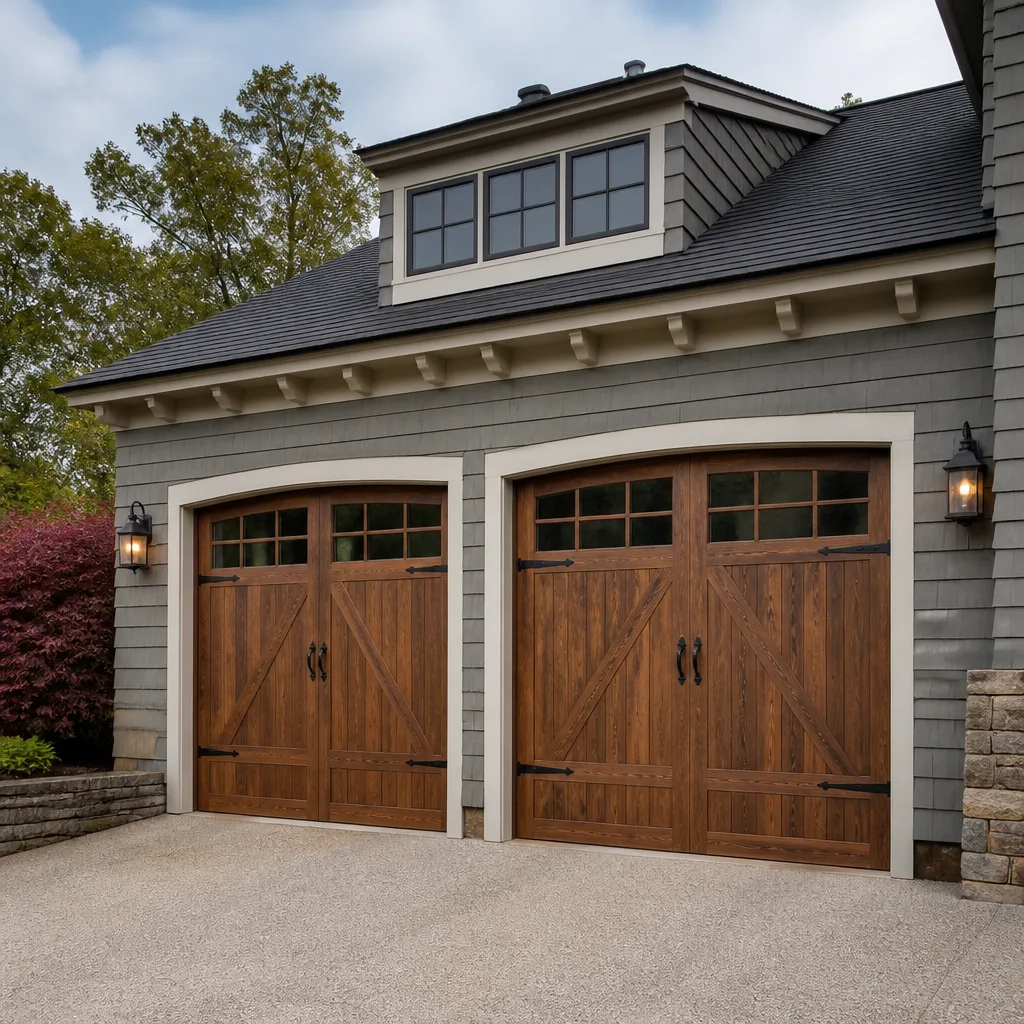 Carriage house
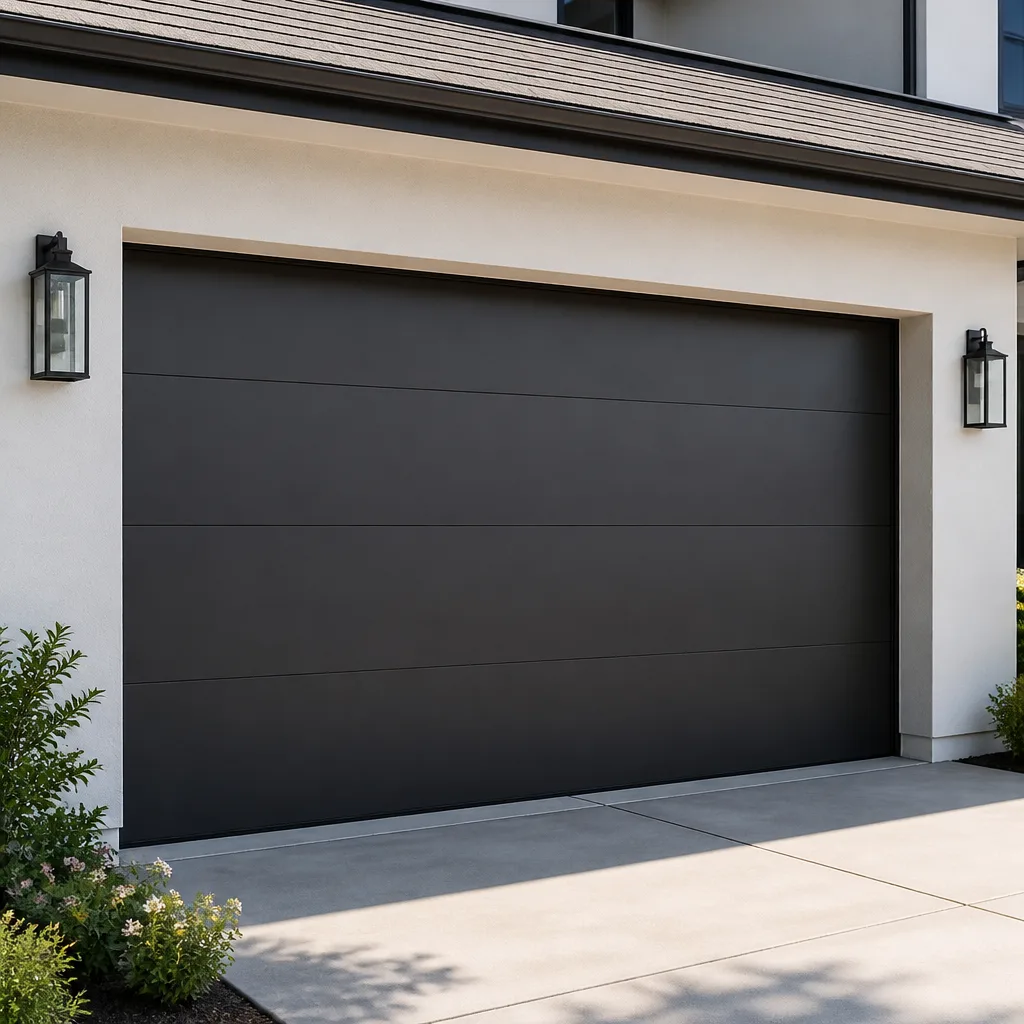 Modern flush
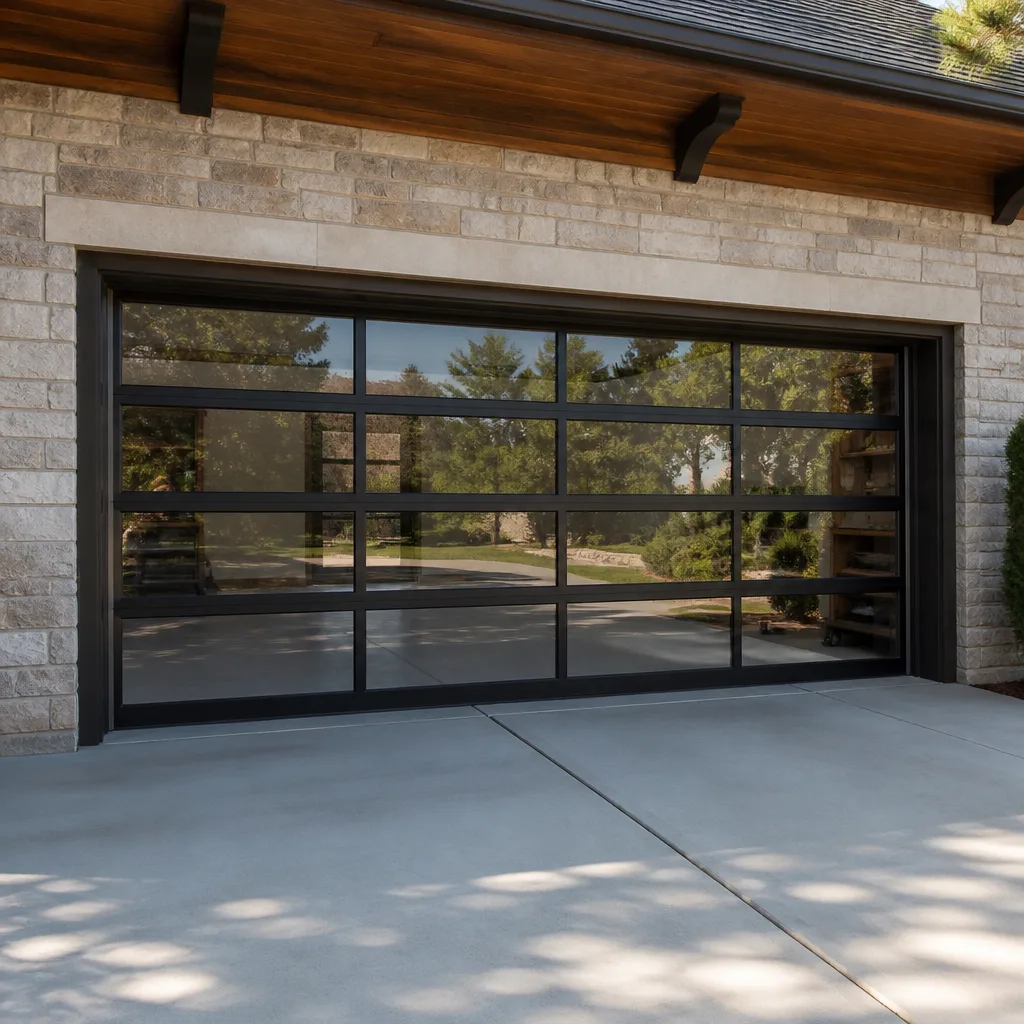 Full-view glass
 LiftMaster openers
 Chamberlain openers
Full 25-point door and opener safety check with every visit - springs, cables, rollers, tracks, and your LiftMaster or Chamberlain opener included
You get a price before we start. It does not change when the pro arrives.
Get your free estimateSeasonal Garage Door Care for Norfolk: Year-Round Homeowner’s Guide
Most garage door maintenance advice you’ll read online was written for a Minnesota winter. It tells you to brace for freeze-thaw cycles, ice dams, and months of hard cold. Norfolk doesn’t live in that climate. We average fewer than 15 freezing days a year, which means the winterizing advice gets outsized attention here while the damage window that actually matters – summer humidity followed by fall storm pressure – goes completely unaddressed. Your springs, cables, rollers, and weatherstripping face their worst stress between August and October, not January. This guide lays out a seasonal schedule built around how Norfolk weather actually treats garage door hardware, phase by phase, so you’re servicing the door for the conditions it really faces.
Quick Answer
For Norfolk, the highest-stress period for garage door hardware is the August through October humidity-to-hurricane window, not winter. A maintenance schedule built around Tidewater’s four real climate phases – humid summer, storm-season fall, mild winter, and pollen-heavy spring – protects springs, cables, and weatherstripping far better than the generic national calendar. The single most valuable tasks are a pre-storm safety check each August and a humidity-and-pollen cleaning routine twice a year.
Styles & brands we work with
- Raised-panel steel
- Carriage house
- Modern flush
- Full-view glass
- LiftMaster openers
- Chamberlain openers
Table of Contents
- Why Norfolk’s Maintenance Calendar Doesn’t Match the National Advice
- The Norfolk Seasonal Stress Calendar: What Each Phase Does to Your Door
- Pre-Hurricane Season Checklist: The August-to-October Window
- Summer Humidity Protocol: Tracks, Hinges, and Opener Circuit Boards
- Fall Transition Tasks for the 90-to-40 Degree Swing
- Spring Post-Pollen Cleaning for Coastal Homes
- Winter and Early Spring: The Light-Touch Season
- A Simple Yearly Schedule You Can Actually Keep
Why Norfolk’s Maintenance Calendar Doesn’t Match the National Advice
The national garage door maintenance calendar is built around a deep-freeze winter. It assumes your door spends three months battling ice, that frozen ground shifts your framing, and that spring thaw is the moment to inspect everything. That advice is reasonable in the Upper Midwest and largely irrelevant in Norfolk.
Here’s the climate reality. Winter here is mild enough that your door’s metal parts stay well above the temperatures where metal gets brittle. You’ll see frost on the windshield a handful of times and maybe a light freeze or two. The freeze-thaw concern that dominates national guides almost never reaches the level that warps a track or cracks a seal in Hampton Roads. So winter maintenance is genuinely the low-stress season for Norfolk doors.
What does stress your door is the opposite of cold. Tidewater’s summer humidity is the sustained, high-moisture environment that corrodes bare steel in tracks and hinges and pushes condensation into places it shouldn’t go. And when summer tips into fall, you get the thermal swing and storm pressure that test every fastener and seal at once. A door that sat ignored through a humid August arrives at hurricane season with weakened hardware precisely when it needs to be strongest.
That’s the core adjustment. In Norfolk, you prep in spring for the humid grind, and you harden in early fall for the storm season. Winter is the breather. This guide walks through each phase so you can see what’s actually happening to the springs, cables, rollers, and weatherstripping as the year turns.
The Norfolk Seasonal Stress Calendar: What Each Phase Does to Your Door
Think of your garage door as a system of four stress points – springs, cables, rollers, and weatherstripping – and each Norfolk season hits them differently. Here’s the phase-by-phase breakdown of what’s happening to the hardware on your door.
Late Spring and Early Summer (May-July): Humidity Ramps Up
- Springs: High-tension torsion and extension springs are steel under constant load. Sustained humidity accelerates surface oxidation, especially at the anchor points where moisture collects.
- Cables: The lift cables ride on drums and pulleys where a thin film of moisture plus grit becomes a wear surface. Cable fraying is a summer risk here.
- Rollers: Steel rollers inside a humid garage track rust in the groove, raising friction and forcing the opener to work harder.
- Weatherstripping: The bottom seal starts to soften and can pull loose as heat and humidity flex the rubber.
Late Summer and Fall (August-October): Humidity Peaks, Then Storms
This is Norfolk’s true high-stress window. Humidity stays high into September, so the corrosion and moisture problems of summer are still active – and then storm season arrives to test every seal, bracket, and fastener. A door that’s been slowly degrading all summer meets its first real wind load in a weakened state. Most of the serious pre-season work belongs here.
Winter (December-February): Mild and Low-Stress
Fewer than 15 freezing days means your hardware operates in a temperature band that’s kind to steel and rubber. The main winter tasks are light: keep the door cycling so parts don’t seize, and watch for the occasional cold snap that stiffens older weatherstripping.
Spring (March-April): Pollen and Thermal Recovery
Pollen coats Norfolk in a fine yellow-green film that works its way into every hinge, roller, and track groove. Combined with airborne grit off the roads, it forms an abrasive paste that speeds wear. Spring cleaning is about clearing that out before summer humidity sets it into a grinding compound.
If you want a trained specialist to walk the whole system and check springs and cables directly, that’s what a proper garage door repair inspection covers. The rest of this guide breaks each phase into concrete tasks.
Pre-Hurricane Season Checklist: The August-to-October Window
The single most important seasonal task in Norfolk happens in August, before storm watches start appearing: a full safety and wind-load check of the entire door system. Doing this during the calm window means you find weaknesses when there’s time to fix them, rather than when a storm is two days out and every crew in Hampton Roads is booked.
Pre-Storm Checklist
- Verify wind-load readiness. Check that your door’s manufacturer rating is appropriate for your exposure and that all reinforcement struts and brackets are tight. Confirm any anchor bolts are snug and not pulling from the framing.
- Inspect the bottom seal. Run your hand along the bottom weatherstripping. It should flex, seal flat against the floor, and show no tears or gaps. A compromised bottom seal lets wind-driven rain in and can let the door lift under pressure.
- Test the emergency release cord. Pull the red release handle and confirm the door disengages and moves freely by hand, then re-engage it. This cord is your manual override if power fails during a storm – and it’s worthless if it’s frozen or jammed.
- Check the track alignment. Look down the track with the door closed. The vertical and horizontal sections should be straight and parallel. Any bend from a past bump or thermal movement shows up now.
- Tighten hardware. Go around the hinges, brackets, and roller mounts. Loose fasteners are the first thing storm vibration works free.
- Test the auto-reverse safety. Place an object in the door’s path and confirm it reverses on contact and on the safety-beam interruption. This matters every month but especially before storm season.
If any of this turns up springs or cables that look worn, don’t put off the repair into storm season. High-tension springs are the most dangerous part of your garage door system, and that’s work for a trained specialist – not a weekend project. We handle that as dedicated spring repair work, and August is the time to square it away. When a door fails during a storm and blocks access or leaves the house open, that’s when people call us for emergency garage door repair.
Summer Humidity Protocol: Tracks, Hinges, and Opener Circuit Boards
Tidewater’s peak summer humidity is what quietly ages a garage door. The problem isn’t a single dramatic failure – it’s months of moisture sitting on bare metal and pushing into electronics. Here’s the protocol that addresses it.
Track and Hinge Corrosion
- Wipe down the track grooves with a dry cloth to clear grit before it combines with moisture into an abrasive paste.
- Apply a light coat of a garage-door-appropriate lubricant to hinges, rollers, and the torsion spring coils – not to the track groove itself, which should stay clean and dry so rollers roll rather than slide.
- Check hinges and brackets for the orange-brown bloom of surface rust. A speck or two is manageable; widespread rust on structural hardware means it’s time to replace those parts.
Opener Circuit Board Moisture
Moisture damage to an opener’s circuit board is the summer failure most homeowners don’t see coming. A garage that stays humid all day lets condensation form inside the opener housing. The symptoms show up as flaky behavior: a door that opens but won’t close, a remote that works intermittently, or a wall unit that seems to have a mind of its own. Before you assume the opener is dying, check whether the housing sits in the most humid part of the garage, and make sure there’s some ventilation. If a LiftMaster or a Craftsman unit starts misbehaving every summer, the board or its connections deserve a look. That’s the kind of diagnosis our garage door opener repair work is built for – Wi-Fi and app-connected units as much as older mechanical ones.
Run the door through a full cycle once a week during the humid months. Regular cycling keeps parts moving, discourages condensation, and makes any new noise or hesitation obvious early rather than at the worst moment.
Fall Transition Tasks for the 90-to-40 Degree Swing
Here’s something the national calendar overlooks: Norfolk doors experience a thermal contraction that runs the opposite direction of cold-climate advice. Your door goes from 90°F summer highs down to 40°F winter lows over just a few months, and that swing shrinks metal parts measurably. The fall transition is where you manage that contraction and lock in the door before the mild months.
- Re-torque fasteners. Thermal contraction loosens bolts and screws that were tight in August. Go around the hinges, brackets, and reinforcement and snug everything.
- Re-check spring tension balance. With the opener disconnected, raise the door halfway by hand. It should hold in place with little effort. If it drifts down or wants to slam up, the spring balance has shifted with the temperature and needs professional adjustment.
- Inspect the weatherstripping perimeter. The side and top seals that flexed easily in summer may stiffen as temperatures drop. Look for gaps at the corners where the bottom seal meets the frame.
- Clear the tracks of summer debris. Pollen, grit, and the small leaves that blow in on fall storms collect in the track. Clear it before the door starts dragging.
- Listen on a quiet cycle. Run the door and listen. Grinding means roller or track friction. A sharp pop or bang can mean a spring at the end of its life – and a spring that fails while someone’s standing under the door is the worst-case outcome.
Do this work in October, before the first real cold snap. If you’d rather have a trained set of eyes on the springs and cables before winter, that’s exactly what a fall inspection is for. Our technicians have up to 14 years of experience reaching every brand, whether a Wayne Dalton or a Raynor needs attention.
Spring Post-Pollen Cleaning for Coastal Homes
Pollen season in Norfolk leaves a film on everything, and your garage door is no exception. What makes it more than cosmetic is that the pollen combines with airborne grit and works into every moving joint. Left in place, it becomes an abrasive compound that accelerates roller, hinge, and track wear through the summer. Spring cleaning is about clearing that out.
The Post-Pollen Cleaning Steps
- Rinse the door panels. A plain garden hose rinse lifts the bulk of the pollen film. On painted steel doors, a mild soap solution and a soft cloth work better than a pressure washer, which can force water into seals and hardware.
- Clear the track grooves completely. Use a cloth or a soft brush to lift pollen and grit from the vertical and horizontal track. This is the highest-value step – clean tracks mean rollers roll instead of grind.
- Wipe down hinges and roller mounts. Pollen settles into the pivot points. A clean rag and a light re-lubrication afterward reset the friction.
- Check the bottom seal for trapped grit. The bottom weatherstripping holds grit against the threshold. Rinse and inspect for tears while you’re down there.
- Lubricate the springs and moving parts. After cleaning, a light lubricant on the torsion spring coils, hinges, and rollers keeps the door operating smoothly into the humid months.
Coastal Norfolk homes see airborne particulate from both pollen and road grit, and it lands on the north-facing or shaded side of the door where it stays damp longer. Pay extra attention there. If you’ve noticed your door getting noisier or slower through the spring, cleaning the tracks and re-lubricating the moving parts usually restores smooth operation. When it doesn’t, the friction is coming from worn rollers or a cable that needs attention, and that’s worth a professional look.
Winter and Early Spring: The Light-Touch Season
With fewer than 15 freezing days a year, winter is genuinely the easy season for Norfolk garage doors. There’s no deep freeze to fight, no ice to chip out of the track. The winter routine is light: run the door through a full open-and-close cycle at least once a week so nothing seizes, and keep an eye out for the occasional cold snap that stiffens older weatherstripping.
If a hard freeze does land, avoid forcing a stiff door. Let the opener do its normal work, and if the door hesitates, check that the bottom seal isn’t frozen to the floor before cycling. Early spring is when you resume the pollen-cleaning routine and do a first full visual inspection of springs, cables, and rollers before humid weather arrives. Think of winter as a reset: it’s the season to catch up on any deferred hardware replacement – rollers that have been noisy all year, weatherstripping that’s lost its flex – when there’s no urgency and no storm pressure forcing the timeline.
When it’s time to replace a worn door rather than keep servicing it, or to plan an opener upgrade, the work gets measured and scheduled rather than rushed. That’s a good use of the calm winter months. For that kind of planned replacement, our garage door installation service handles new doors and opener upgrades using recognized name brands, with a free measure and a written price before anything starts.
A Simple Yearly Schedule You Can Actually Keep
Here’s the whole Norfolk schedule on one page. The point is that you don’t need a heavy calendar – you need to hit the right months with the right tasks for this climate.
- March-April (post-pollen): Clean track grooves and hinges, rinse pollen off panels, re-lubricate moving parts.
- May-July (humidity ramp): Wipe down tracks, watch hinges and rollers for surface rust, cycle the opener weekly, check the circuit board area for moisture.
- August (pre-storm): Full wind-load and safety check, bottom seal inspection, emergency release test, hardware tightening, auto-reverse test. Address worn springs and cables now.
- September-October (fall transition): Re-torque fasteners, check spring balance, inspect perimeter weatherstripping, clear tracks, listen for new noises.
- November-February (mild winter): Weekly cycle, watch for cold-snap weatherstripping stiffness, plan any hardware or door replacement.
The reason this works is that every task is timed to the stress it manages. The August check catches weaknesses before storm season. The spring cleaning clears abrasives before humidity sets them in. The fall transition manages thermal contraction before the door locks into winter. A door serviced on this rhythm tends to fail less often, and its failures tend to be the minor kind – a weatherstrip, not a spring.
Common Mistakes to Avoid
- Following a winter-focused national calendar. Norfolk’s winter is mild; the freeze-thaw work most guides emphasize isn’t where your risk lives. Build the schedule around the humid summer and storm-season fall instead.
- Skipping the August storm check. Waiting until a storm watch is issued to test the door means finding weaknesses under time pressure. Do the safety and wind-load check in the calm stretch.
- Ignoring summer humidity in the opener. A circuit board failing from moisture shows up as erratic behavior, not a dead opener. Homeowners replace whole units when a board or connection is the real issue.
- Over-lubricating the tracks. The track grooves should be clean and dry, not greasy. Lubricant in the track collects grit and turns into grinding paste. Lubricate the moving parts, not the channels.
- Forcing a stiff door after a cold snap. If a door hesitates on a cold morning, check whether the bottom seal is frozen to the floor before cycling it. Forcing a stiff door strains the opener and the springs.
- Treating a noisy spring as normal. A spring that pops or bangs is telling you it’s near the end of its life. The time to address it is while the door still operates, by a trained specialist.
- Assuming pollen is only cosmetic. Left in the hinges and tracks, pollen becomes an abrasive that speeds wear all summer long. It’s a mechanical issue, not just a cleaning chore.
See the difference
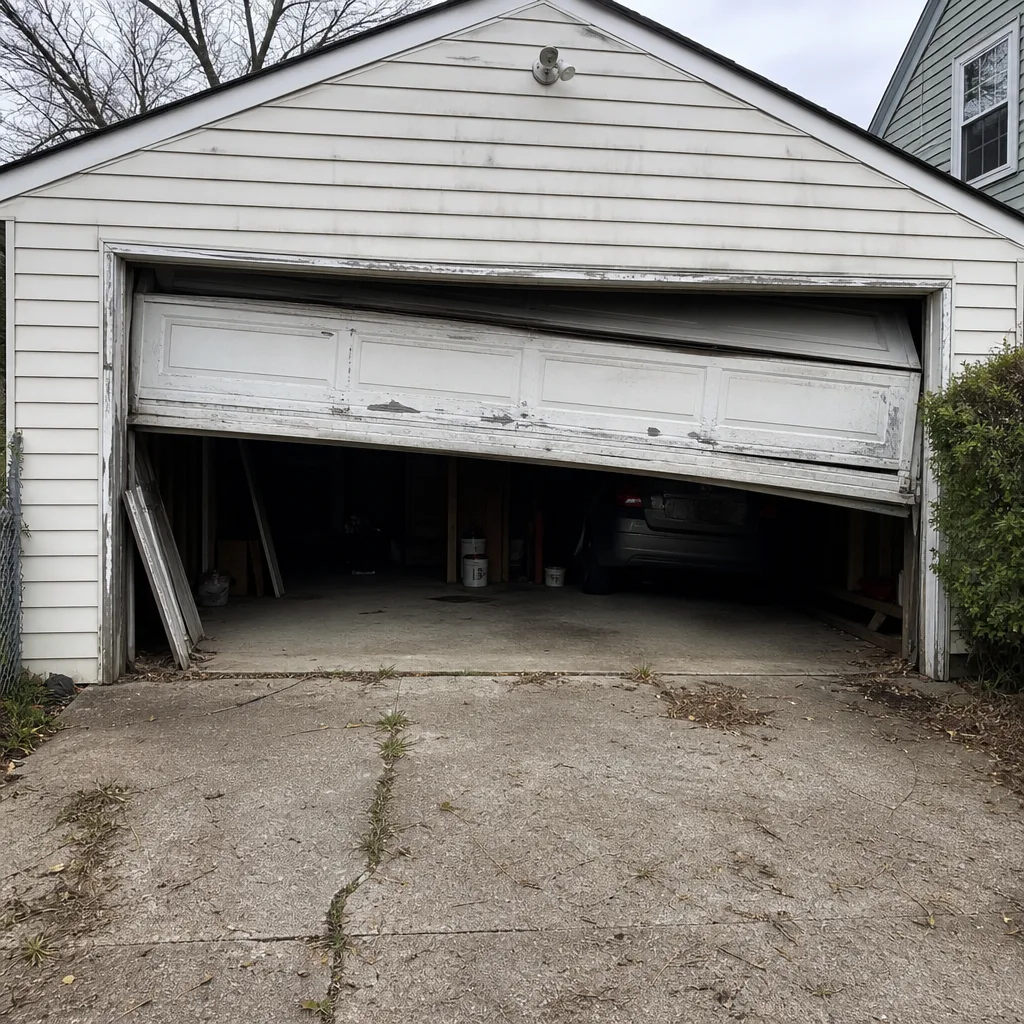 Before
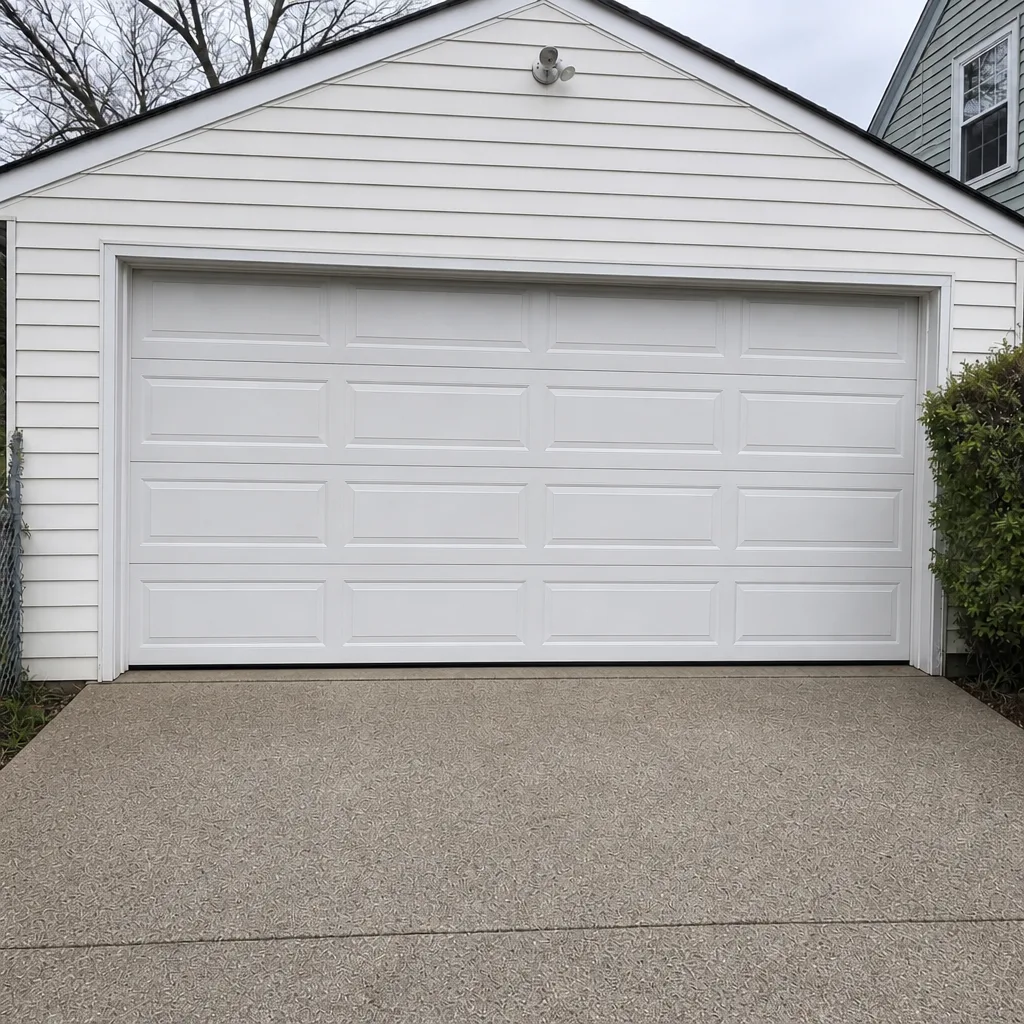 After
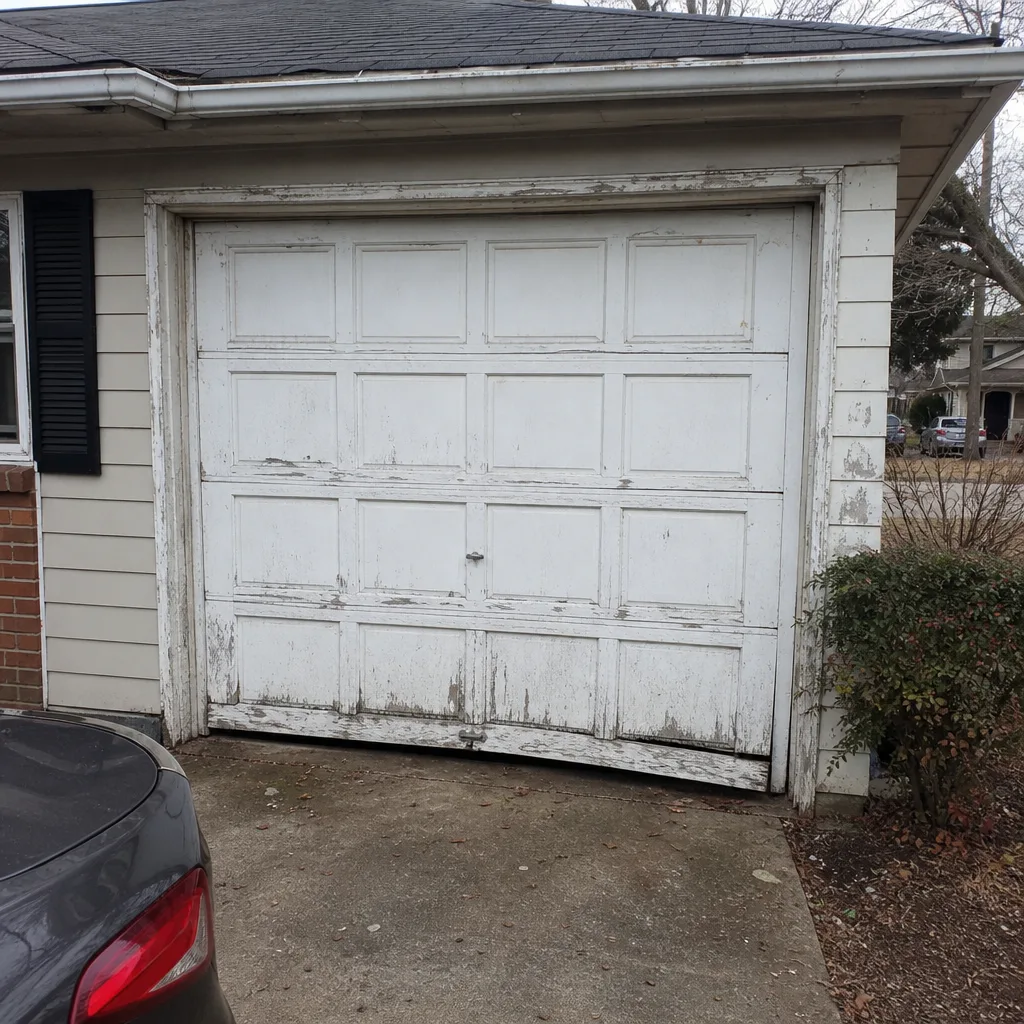 Before
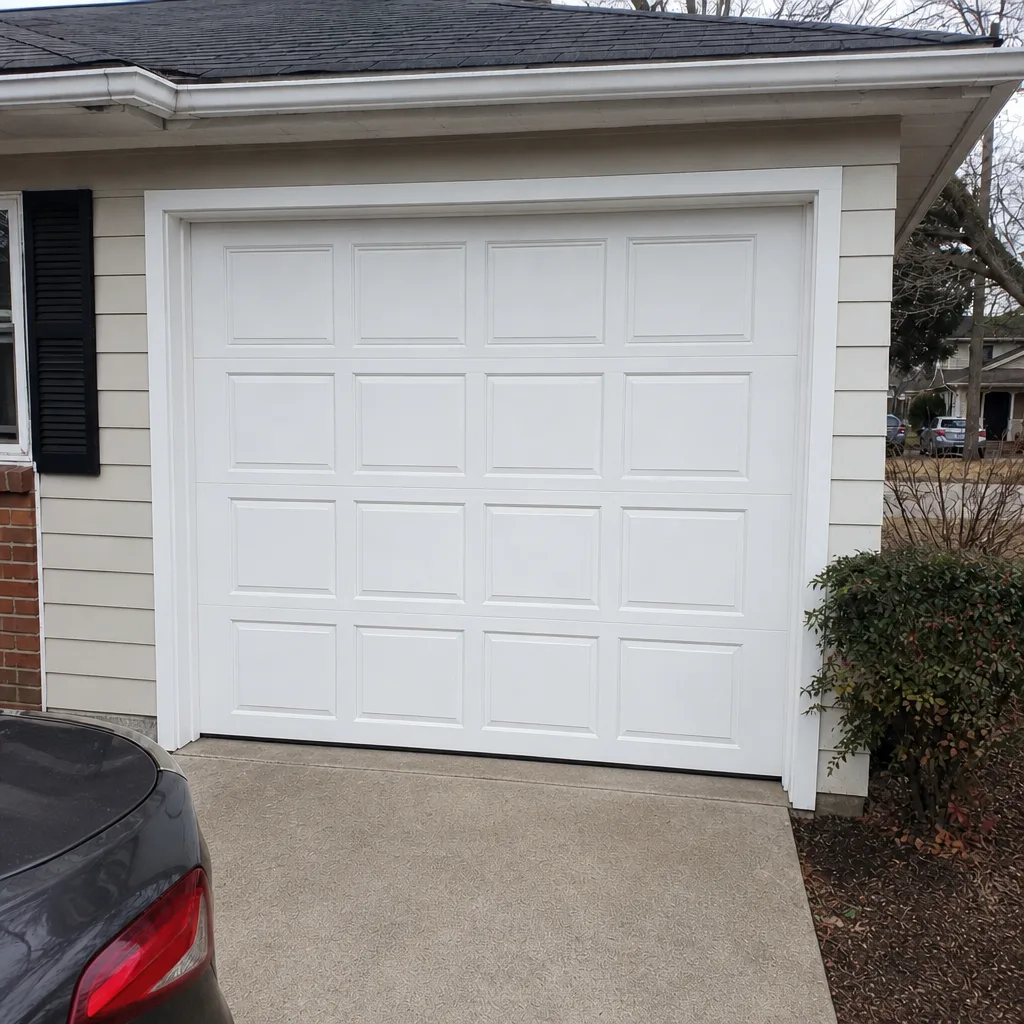 After
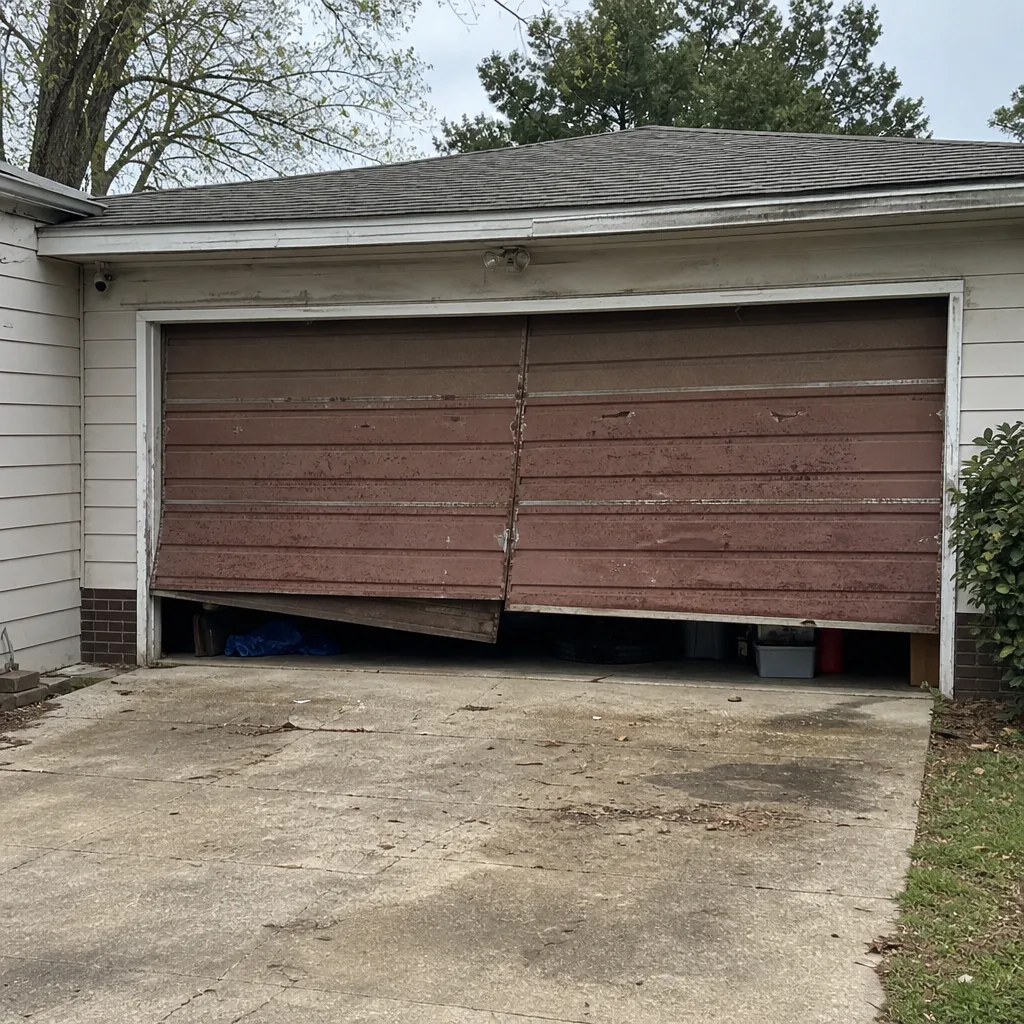 Before
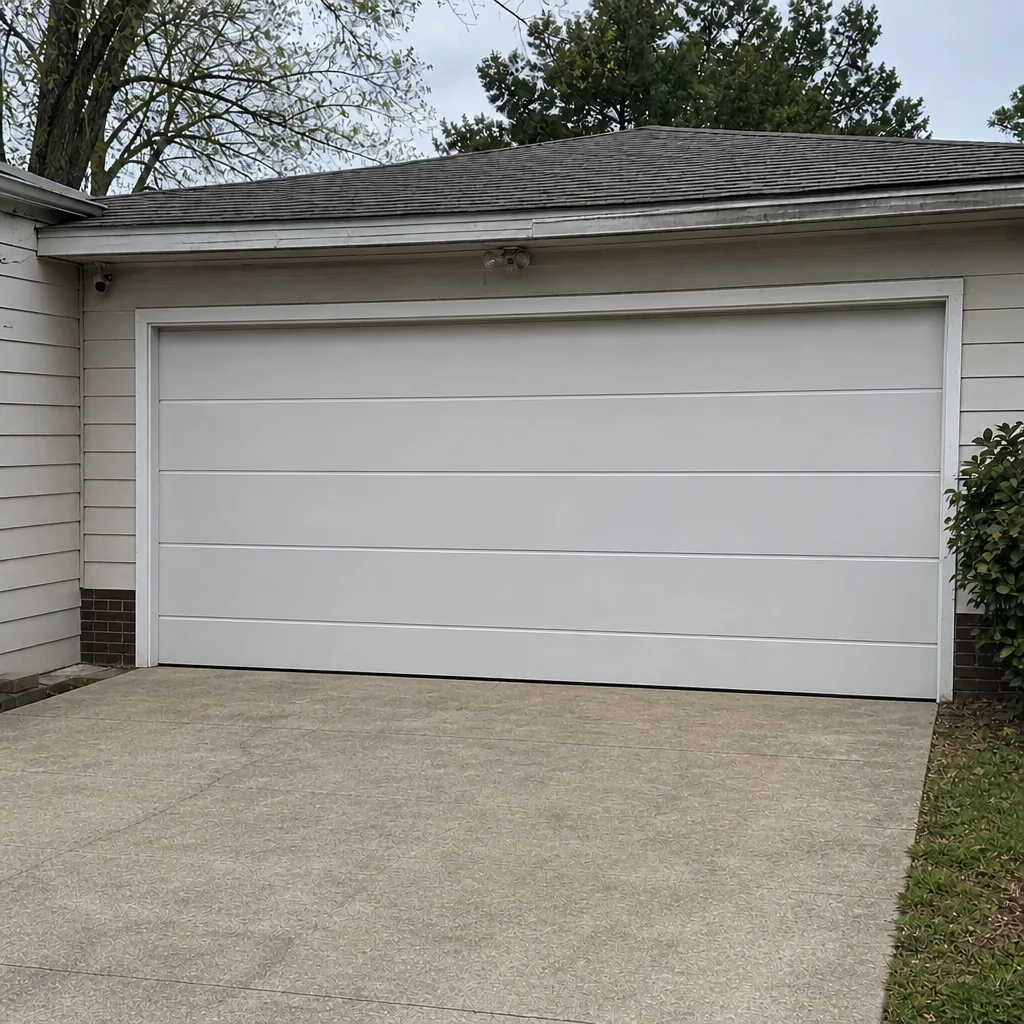 After
When to Call a Professional
Some of this routine you can do safely yourself: rinsing pollen off panels, cleaning track grooves, testing the emergency release, tightening the occasional loose screw. But certain jobs are not homeowner work. If a spring is snapping or looks worn, if a cable is frayed, if the door hangs unevenly, if the opener won’t hold a constant speed, or if anything about the door’s balance feels off, call a trained specialist. High-tension torsion and extension springs are the most dangerous component in any garage door system, and a spring failure under load can cause serious injury – that’s work for a professional, not a workaround. If your door won’t move at all and it’s blocking your car or leaving the house open, emergency repair is the right call.
Norfolk Garage Door Repair Experts offers free estimates in Norfolk – call (844) 443-3797. We answer 24/7. Fast dispatch from 7am to 7pm, Sunday through Friday.
Frequently Asked Questions
August, before hurricane season pressure builds. That’s when you want to do the full wind-load and safety check, inspect the bottom seal, test the emergency release cord, and tighten all hardware while there’s time to fix anything that turns up. The summer humidity has already worked on the hardware for months, so a late-summer check catches wear before storm season tests it. Call (844) 443-3797 to book a pre-storm inspection – estimates are free.
Largely, yes – but not entirely. With fewer than 15 freezing days a year, there’s no deep-freeze stress to manage, so winter is the light season. Keep running the door through a weekly cycle so nothing seizes, and watch for stiffness during a cold snap. Use the quiet months to plan any worn hardware replacement or opener upgrade.
It corrodes bare steel in tracks, hinges, and springs, and it pushes condensation into opener electronics. Over a humid Tidewater summer, that means rust blooming on structural hardware and circuit boards behaving erratically. A weekly cycle, a light re-lubrication of moving parts, and a clean, dry track groove keep it in check. If your opener starts acting up every summer, call (844) 443-3797 for a diagnosis – the board may be the issue, not the whole unit.
Verify wind-load readiness, inspect the bottom seal, test the emergency release cord, check track alignment, and tighten all hardware. Run the auto-reverse and safety-beam tests too. Do it during the calm August window rather than waiting for a storm watch, when crews get booked. If the inspection turns up worn springs or frayed cables, have them replaced before storm season – that’s specialist spring work, not a DIY job.
Pollen combines with airborne grit to form an abrasive paste that works into roller, hinge, and track wear points. Left in place through the summer, it speeds wear all season. A spring cleaning that clears the track grooves, wipes down hinges, and re-lubricates the moving parts resets the friction. Norfolk homes near heavier road traffic see more of this grit, so the north-facing or shaded side of the door deserves extra attention.
Very likely, yes. We service equipment from eight of the industry’s most widely installed manufacturers – LiftMaster, Chamberlain, Genie, Clopay, Amarr, Wayne Dalton, Craftsman, and Raynor. Whether your opener is a LiftMaster or a Genie, or your door is a Clopay, we know the system. Call (844) 443-3797 and tell us the brand and model.
The Bottom Line
Norfolk’s garage doors don’t follow the national maintenance calendar, and forcing them to is a mistake. Your highest-stress window is August through October, when summer humidity has already worked on the hardware and storm season arrives to test it. The single most valuable habit is a pre-storm safety and wind-load check each August, backed by spring pollen cleaning, summer humidity awareness, and a light winter cycle. Hit those phases and your springs, cables, rollers, and weatherstripping last longer and fail less dramatically. For anything involving springs, cables, or a door that won’t move safely, call a trained specialist rather than improvising. Need a seasonal inspection? Norfolk Garage Door Repair Experts connects you with local pros – call (844) 443-3797 for a free estimate. We answer 24/7. Fast dispatch from 7am to 7pm, Sunday through Friday.
Written by the team at Norfolk Garage Door Repair Experts.